
Aligning Priorities with Purpose

Bhimsar, Rajasthan
Materiality underpins how we prioritise and manage sustainability risks through focused actions and effective resource allocation. We adopt a structured double materiality assessment to identify and prioritise ESG topics that influence our environmental, people, social impact and financial performance. This exercise helps integrate stakeholder inputs, regulatory expectations and enterprise risk management to inform strategic actions and long-term value creation.
Approach to Materiality Assessment
We follow a double materiality approach to identify material ESG topics impacting the environment, people, and the economy. Through this approach, we assess:
Actual and potential impacts across internal and external stakeholder groups and the environment, based on the severity and likelihood.
Financial risks and opportunities arising from these impacts, based on the probability of occurrence and potential financial effects.
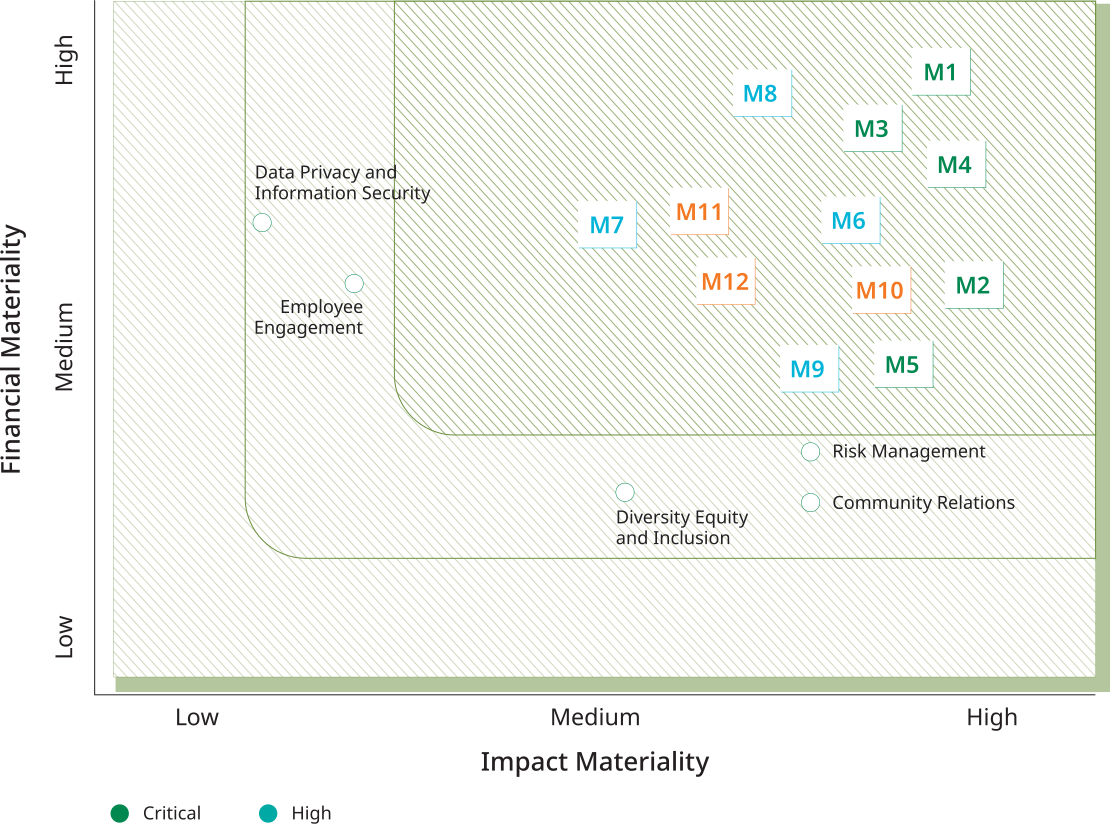
We first conducted such an assessment in FY 2023-24 in line with the European Financial Reporting Advisory Group’s (EFRAG) methodology under the Corporate Sustainability Reporting Directive (CSRD), the European Sustainability Reporting Standards (ESRS) and IFRS requirements. It involved engaging all internal and external stakeholders and short-listing 17 high-priority topics through a Board-approved materiality matrix, aligned with our strategic priorities, and risks and opportunities. In FY 2025-26, these topics were reviewed internally and their impact was updated.
Our Material Topics
Managing Material Matters
Stakeholders:
 Shareholder and Investors
 Customers
 Employees (Own and Contractual)
 Vendors (Suppliers and Contractors)
 Senior Management and Board of Directors
 Local Community
 Government/Regulator
 Media and NGO
Financial implication
Strategy:
Capitals:
 Financial Capital
 Manufactured Capital
 Intellectual Capital
 Human Capital
 Social & Relationship Capital
 Natural Capital
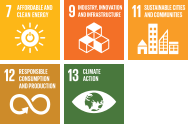
GHG Emissions and Climate Change
GRI Alignment
302, 305
KPIs Tracked
- Emissions (Scope 1, 2, and 3)
- Energy consumption (renewable and non-renewable)
- GHG emissions avoided by renewable capacity (Mn tCO2e)
- % EV adoption
SDG Alignment
Strategic Response
Financial Implication
Positive/Negative
Impact Materiality and Capital Effects

- Rising GHG emissions aggravate climate change
- Reduced dependency on fossil fuels due to the cost-effectiveness of wind and solar plants
Financial Materiality and Capital Effects
Risk: 
- Increase in operational costs and capex and reputational risks to ensure GHG compliance
- Damage to assets from extreme weather events
Opportunity: 
- RE-focused regulations support new market entry and market share expansion
- Investment in R&D and Innovation enhances the cost-effectiveness, efficiency and reliability of RE technology
Business Strategy
- Advancing towards 65% EV adoption across the value chain by 2030, supporting manufacturing suppliers in setting net-zero targets and integrating an Internal Carbon Pricing (ICP) mechanism under the GHG Supply Chain Engagement Programme
- Using advanced bifacial modules/trackers technologies, digitalisation and ENOC to enhance efficiency
- Implementing climate scenario analysis and risk assessment recommendations
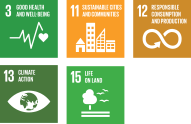
Waste Management
GRI Alignment
306
KPIs Tracked
- Waste generated & diverted from disposal
- Quantity of waste sent for disposal
SDG Alignment
Strategic Response
Financial Implication
Positive
Impact Materiality and Capital Effects

- Circular economy reduces solar technology’s ecological footprint and improves resource efficiencies
Financial Materiality and Capital Effects
Risk: 
- Inefficient waste management increases operating costs, reduces efficiency and enhances health, environmental, legal and reputational risks
Opportunity: 
- Raw materials and cost optimisation from waste management and recycling, enhancing profitability
Business Strategy
- Strengthening waste governance and integrating circular economy principles
- Maintaining zero-waste-to-landfill and single-use plastic-free operations across all sites
- Action plan to reduce waste generation, supported by training employees in waste reduction and sustainable practices
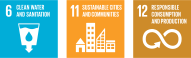
Water Management
GRI Alignment
303
KPIs Tracked
- Water withdrawal/consumption (m3)
- Water conservation (m3)
SDG Alignment
Strategic Response
Financial Implication
Positive/Negative
Impact Materiality and Capital Effects

- Strain on the ecosystem and local communities from excess water usage
- Effective water conservation, recycling, and replenishment supported by robotic cleaning techniques can reduce freshwater withdrawal, ensure net water positive operations, and enhance reputation
Financial Materiality and Capital Effects
Risk: 
- Net negative water usage can increase operational costs and reduce efficiency
Opportunity: 
- Efficient water-management systems and robotic cleaning technology reduce water use, enhance conservation and recycling, and lower operational and litigation costs
Business Strategy
- Enhancing water management efficiency through assessment
- Deployed water-conservation technologies, rainwater harvesting and robotic cleaning techniques
- Achieve and sustain water positivity across all operations on portfolio basis
Biodiversity and Habitat Management
GRI Alignment
304
KPIs Tracked
- Biodiversity risk assessments conducted
- Number of trees planted
SDG Alignment
Strategic Response
Financial Implication
Negative
Impact Materiality and Capital Effects

- Large-intensive RE farms may cause habitat loss and natural ecosystem (flora and fauna) degradation
Financial Materiality and Capital Effects
Risk: 
- Fines, litigation costs and reputation damage from non-compliance or natural habitat destructions
Opportunity: 
- Implementation of biodiversity risk mitigation action enhances asset resilience, ensures uninterrupted operation and reduces remediation costs
Business Strategy
- Biodiversity Assessments as per the IFC PS and a structured LEAP methodology
- Installation of diverters, guards, insulation sleeves, cotton flags, and reflectors along the transmission lines to reduce electrocution risks among birds and bats
- Optimal reservoir placement and trap-and-haul programmes to prevent fish entrapment in the hydro PSP project turbines
Operational Efficiency and New Business Opportunities
GRI Alignment
201
KPIs Tracked
- Revenue from operations
- Capital expenditure
SDG Alignment
Strategic Response
Financial Implication
Positive
Impact Materiality and Capital Effects

- Technological advancement can reduce environmental impact and create new jobs
Financial Materiality and Capital Effects
Opportunity: 
- Advanced technologies boost efficiency and power supply, creating new business opportunities
- Innovations can reduce costs, enhance competitiveness, and drive long-term value creation
Business Strategy
- Deployed Centre of Excellence, automation projects, and advanced digital and analytics solutions to optimise O&M efficiency
- Established integrated RE platform with storage capabilities enabling reliable green power and C&I opportunities
- Unlock opportunities in hybrid power, two-way smart grids and backward integration
Occupational Health and Safety
GRI Alignment
403
KPIs Tracked
- TRIFR / LTIFR
- Fatality
- Continuous safe manhours
SDG Alignment
Strategic Response
Financial Implication
Negative
Impact Materiality and Capital Effects

- Workplace hazards can harm workers, contractors and communities, while also impacting employee morale and damaging reputation
Financial Materiality and Capital Effects
Risk: 
- Fines, corrective action, settlement costs and productivity losses from safety incidents
Opportunity: 
- Implementing automation and digital safety systems improves safety and operational performance
Business Strategy
- ISO 45001:2018 certified with rigorous health and safety standards, process and governance to ensure zero harm
- Ongoing safety performance assessments and audits for system improvement
- Digital tools, automation and video analytics for real-time safety monitoring and alerts
Employee Well-being
GRI Alignment
401
KPIs Tracked
- Spending on employee wellness
- Number of wellness initiatives
SDG Alignment
Strategic Response
Financial Implication
Negative
Impact Materiality and Capital Effects

- Excessive workloads and burnout can increase mental health challenges
Financial Materiality and Capital Effects
Risk: 
- Mental health issues may lead to absenteeism, lower engagement and focus, reduced productivity and higher attrition
Opportunity: 
- Support for mental wellness and stress management ensures a productive and loyal workforce
Business Strategy
- Wellness and care embedded into employee practices
- Adani Care programme offering confidential counselling and other emotional well-being support
- Dedicated policies for leave/parental leaves, flexible working hours
- Conducting sports, off-sites and recreational activities and sessions on mindfulness, yoga and stress management
Human Rights
GRI Alignment
407, 408, 409, 410
KPIs Tracked
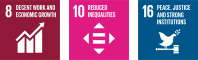
- No. of human rights assessment conducted
- Instances of human rights violations
SDG Alignment
Strategic Response
Financial Implication
Negative
Impact Materiality and Capital Effects

- Risks of child/forced labour, poor working conditions, discrimination and harassment can violate human rights
Financial Materiality and Capital Effects
Risk: 
- Penalties, legal action, reputational risk, and reduced employee morale and productivity from human rights violations
Opportunity: 
- Responsible workplace and human rights practices support social protection, enable personal development and provide physical and psychosocial protection; these enhance productivity and organisational resilience
Business Strategy
- Mature human rights practices supported by due diligence through the head office and sample site visits
- Conducting ESG valuation/screening of suppliers
- All sites assessed for child/forced labour, sexual harassment, discrimination, and wages
- Efforts to strengthen transparency, due diligence and grievance mechanisms for timely identification and resolutions of concerns
Human Capital Development
GRI Alignment
401, 404
KPIs Tracked
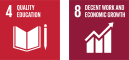
- Average training hours per employee
SDG Alignment
Strategic Response
Financial Implication
Positive
Impact Materiality and Capital Effects

- Effective talent management enhances productivity and performance, boosts employee morale and contributes to higher retention
Financial Materiality and Capital Effects
Risk: 
- Inadequate training and poor workforce planning may constrain their skill development and create talent gaps, impacting organisational performance
Opportunity: 
- Targeted training improves productivity and cost efficiency
- Filling workforce capability gaps through scenario analysis and need forecasting strengthens organisational resilience and future-readiness
Business Strategy
- Structured capability assessment and development planning to build a future-ready workforce
- Ongoing workforce needs assessment and organisational structure gap identification
- Aligning talent acquisition, development and retention with long-term business strategy
Business Ethics and Transparency
GRI Alignment
205, 206
KPIs Tracked
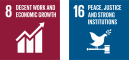
- Instances of corruption and bribery
SDG Alignment
Strategic Response
Financial Implication
Positive/Negative
Impact Materiality and Capital Effects

- Transparency and ethical conduct strengthen stakeholder trust and brand reputation

- Unethical practices (corruption and bribery) erode goodwill, while anti-competitive practices threaten small producers
Financial Materiality and Capital Effects
Risk: 
- Unethical practices may result in regulatory penalties, reputational damage, loss of business opportunities and elevated compliance costs
Opportunity: 
- Robust regulatory standards, framework and processes and periodic audits strengthen risk management, safeguard operations and improve financial resilience
Business Strategy
- Adherence to Adani Code of Conduct (CoC) with zero tolerance for practices like bribery, corruption, illegal payments, etc.
- Regular stakeholder engagement for updates on performance and other material communication
- Policies to guide all business actions and whistleblower mechanisms to prevent unethical practices
- MySOPs application for managing and accessing process documents
Supply Chain Management
GRI Alignment
308, 414 and 204
KPIs Tracked
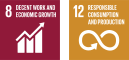
- % of critical/important manufacturing suppliers evaluated on ESG parameters
- % of critical/important manufacturing suppliers trained
SDG Alignment
Strategic Response
Financial Implication
Negative
Impact Materiality and Capital Effects

- Ineffective supply chain practices increase environmental and human rights risks and may impact communities and stakeholder trust
Financial Materiality and Capital Effects
Risk: 
- Environmentally or socially irresponsible raw material sourcing can trigger community opposition, regulatory action, penalties and financial losses
- An inefficient supply chain may disrupt operations and increase costs
Business Strategy
- ESG evaluation of 100% critical/important manufacturing suppliers
- Integrating country, commodity, and sectoral risks in supply chain decisions
Corporate Governance and Organisational Culture
GRI Alignment
GRI 3-3, Multiple disclosures under GRI 2
KPIs Tracked
- Proportion of independent directors on the Board
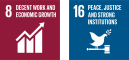
SDG Alignment
Strategic Response
Financial Implication
Positive
Impact Materiality and Capital Effects

- Robust governance practices and organisational culture strengthen trust among employees, customers and other stakeholders
- Independent and well-structured Board oversight safeguards stakeholder interests and improves the quality of decisions
Financial Materiality and Capital Effects
Risk: 
- Ineffective governance framework may lead to corrupt practices, lower employee morale and financial penalties
Opportunity: 
- Corporate governance ensures ethical and resilient value creation
- Oversight from independent directors supports objective decision-making and identification of long-term opportunities in the interest of all stakeholders
- A collaborative and transparent culture promotes knowledge-sharing and loyalty
Business Strategy
- Governance practices aligned with global frameworks, with ongoing improvements
- 50% independent directors on the Board and leaders with 30 years average experience
- “Your Voice Matters” employee feedback survey to reinforce culture, leadership effectiveness and strategic alignment

Khavda, Gujarat