Accelerating Environmental Sustainability and Clean Energy Transition

At AGEL, environmental stewardship and climate action are integral to our overall growth strategy. We are rapidly scaling renewable energy capacity to support India’s decarbonisation and clean energy goals. Additionally, we are focussing on reducing our environmental footprint through climate risk assessment and informed adaptation and mitigation measures, decarbonising our operations and building climate-resilience. We emphasise resource efficiency through ‘net water positive’, ‘single-use plastic-free’ and ‘zero waste-to-landfill’ operations. Our formal alignment with IBBI and TNFD frameworks reflects disciplined execution and nature-integrated sustainability approach.
Key Linkages
Material Topics
Strategic Priorities
Key Risks and Opportunities
SDGs

Capitals Impacted


Our continued alignment with IBBI since 2020 and adoption on TNFD framework in FY 2025-26 reflect our disciplined execution approach and commitment towards integrating nature-related considerations into the sustainability strategy.
Approach to Environment Management
While our core business is centred on renewable energy and is intrinsically low-carbon, we maintain a strong focus on proactively managing our environmental impacts. This approach is guided through comprehensive Environmental Policy and ISO 14001:2015-certified Environment Management System (EMS) implemented across all sites. Together with stringent environmental controls, half-yearly internal audits, annual external audits, and emergency preparedness measures, the system ensures regulatory compliance while strengthening long-term environmental resilience. Our Board-level Corporate Responsibility Committee (CRC) acts as a designated ESG committee that provides strategic oversight to the organisation’s climate and ESG-related performance, reinforcing accountability and continuous improvement across the organisation.
Key focus areas and highlights
Decarbonisation
tCO2e emissions avoided
households
cars off the road
green power used
EV Adoption
operations certified Zero Waste to Landfill
Water Stewardship
operational locations
Reduction in operational water intensity in KL/MWh
Improvement in Water Balance Index
Waste Management and Circular Economy
to Landfill certification Status for 100% operational locations
free for 100% operational locations
Biodiversity Management
aligned approach adopted across the project lifecycles
sites covered under Biodiversity Impact Assessments
trees planted
Strengthening India’s Clean Energy Transition and Energy Security
Net Zero 2050: Powering Path to Sustainable Progress
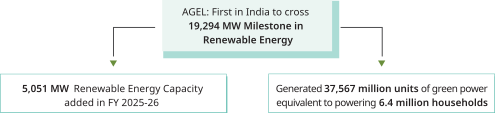
India aspires to become Net Zero by 2070, targeting 500 GW renewable energy by 2030 to meet 50% of its energy needs from clean sources. As the country’s fastest growing renewable energy producer with a 19,294 MW of operational RE portfolio, AGEL plays a critical role in advancing India’s decarbonisation roadmap while strengthening energy security.
In line with India’s Net Zero goals and Nationally Determined Contributions (NDCs), AGEL is accelerating low-carbon energy transition through large-scale investments in renewable energy generation, energy storage solutions, and advanced technologies, while progressively decarbonising our own operations.
Our climate change policy is aligned with the Paris Agreement and global best practice and integrates climate risk management and clean energy transition into the core strategy. By delivering scalable, cost-effective renewable energy, we support India’s climate commitments and long-term economic growth.
Our progress testifies disciplined execution across scale, speed and decarbonisation of our operations.
Scaling Renewable Energy Capacity
(GW)
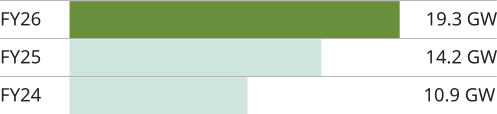
Target: 50 GW Renewable Energy by 2030 (10% of India’s RE capacity target)
Decarbonising Mobility Across Operations
(%)
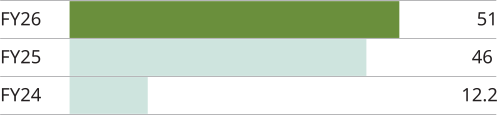
Target: Adoption of 65% Electric Vehicles in the fleet by 2030
Assessing Our Climate-related Risks and Opportunities
At AGEL, climate change is identified as a key enterprise risk. Climate considerations are embedded early in the project planning phase and strategic decision-making. We adopt a structured approach to identify, assess and manage climate-related risks, covering both physical and transition risks. These risks are systematically integrated into our Enterprise Risk Management (ERM) framework, enabling consistent evaluation, robust governance and effective risk oversight at the enterprise level.
In the year, we conducted a comprehensive analysis of climate risks across entire value chain operations, including upstream and downstream activities, using the Task Force on Climate-Related Financial Disclosures (TCFD)/ International Financial Reporting Standards (IFRS) S2 recommendations. To evaluate our potential risks and opportunities, we considered multiple climate scenarios, including the Shared Socio-Economic Pathways (SSP) 1.9, 2.6, 4.5, 7.0, and 8.5, as well as the International Energy Agency’s (IEA) Net Zero Emissions (NZE) 2050 scenario.
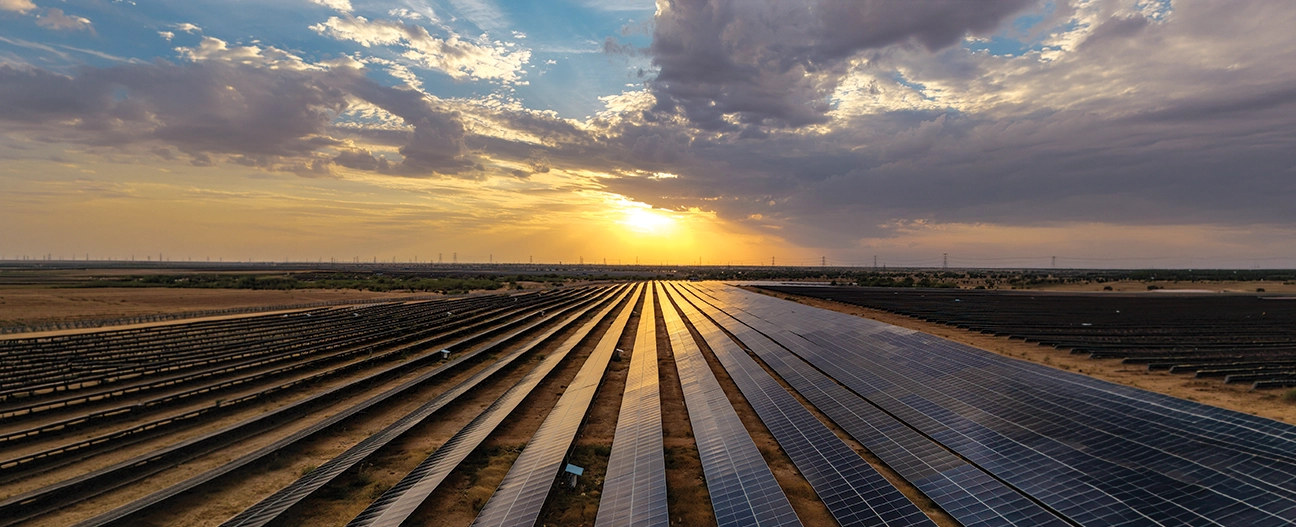
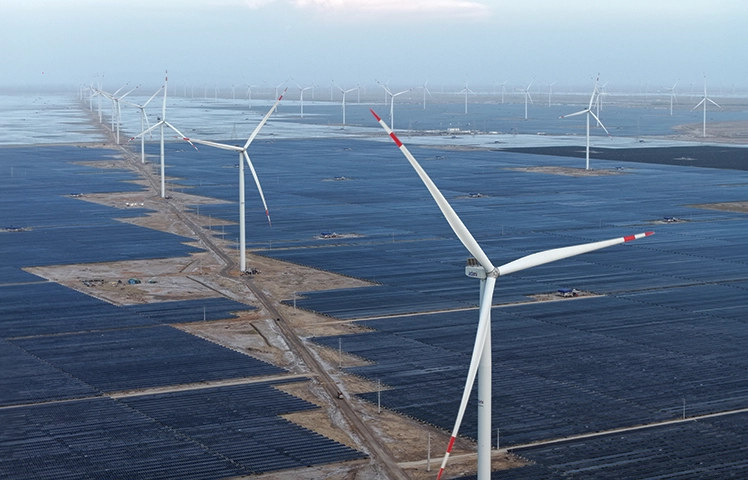
Bhadla, Rajasthan
Climate-Related Key Risks
Short-Term (0-3 years) | Medium-Term (4-10 years) | Long-Term (11-25 years & beyond)
| Risk Category | Risk Type | Risk Description | Time Horizon |
|---|---|---|---|
| Physical Risks | Acute | Flood (coastal, fluvial, pluvial) | Short-term |
| Acute | Cyclone | Short-term | |
| Chronic | Wildfire | Medium-term | |
| Transitional Risks | Policy and Regulation | Disposal of Solar Panel Waste | Long-term |
Climate-Related Key Opportunities
| Opportunity Category | Description |
|---|---|
| Products & Services | Development and/or expansion of low emission goods and services |
| Resource Efficiency | Reduced water usage and consumption |
| Resource Efficiency | Use of more efficient modes of transport |
| Energy Source | Increased penetration in carbon markets |
Climate Strategy: Decarbonisation and Energy Efficiency
The findings of climate risk assessment influence our broader decarbonisation strategy, supporting our progress toward Net Zero goals. Our Climate strategy is aligned with the Task Force on Climate-related Financial Disclosures (TCFD) recommendations and complements the United Nations’ Sustainable Development Goals (SDGs).
Our climate strategy includes:
- Identifying, and evaluating potential impact of climate-related risks across our operations
- Integration of climate risk and opportunities into our overall climate strategy, and risk management framework
- Accelerating our renewable energy operational capacity
- Optimising energy management
- Reducing GHG emissions across our operations
- Internal Carbon Pricing
- Sustainability-linked performance compensation
- Employee awareness
- Policy advocacy
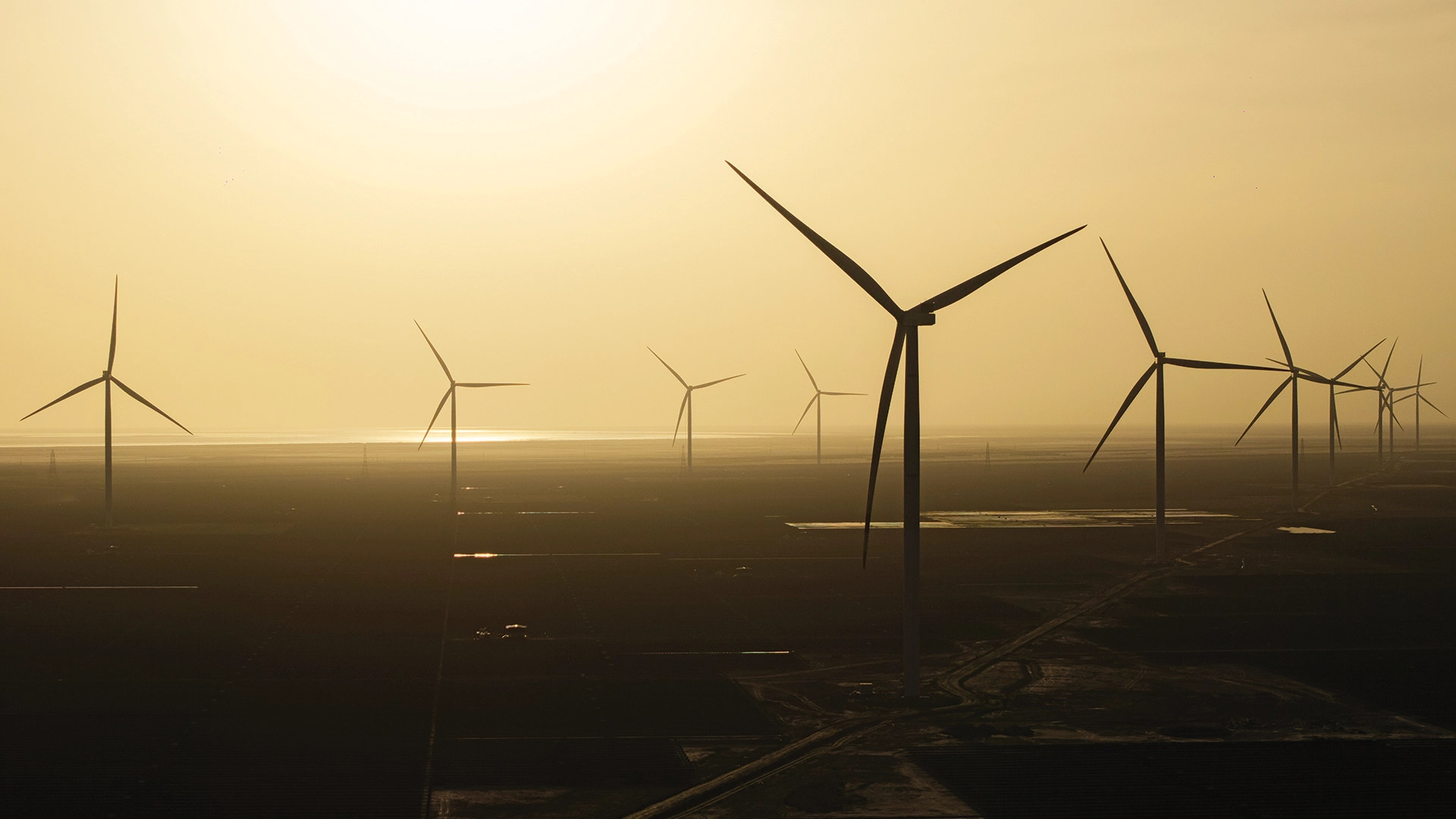
Khavda, Gujarat
Optimising Energy Management
At AGEL, our strategic approach toward energy efficiency is guided by a comprehensive Energy Policy, and ISO 50001:2018 certified Energy Management Systems. Through regular IMS audits, continuous identification of efficiency opportunities and technology upgrades, we systematically reduce our consumption and enhance operational efficiency. Clear, measurable energy reduction targets guide our operational performance, supported by investments in R&D and low energy practices. We largely power our operations through self-generated renewable electricity from in-house solar and wind assets, reducing grid dependence. Beyond our own consumption, our solar, wind, and hybrid projects enable large scale delivery of green power to the grid, supplying 135.24 million GJ of electricity through the DISCOMs in 2025-26.
Click to read about our Energy Management PolicyEnergy Efficiency Measures
SAVE Framework: Systematic, Adoption, Value-Added, and Engagement
Guided by our Energy Management Policy, we systematically identify and reduce energy consumption by deploying energy-efficient technologies across our facilities, buildings, and offices, ensuring compliance with applicable laws & regulations.
ENOC: Integrating Technology for Renewable Energy Management
Our state-of-the-art Energy Network Operation Centre (ENOC), powers real-time and technology-driven monitoring and management of renewable energy assets. The platform is instrumental in optimising our operational efficiency, performance and output, while minimising the downtime.
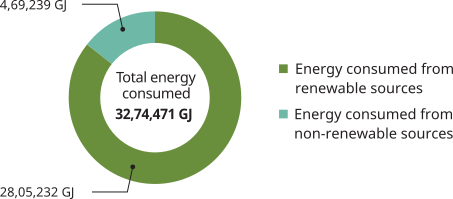
Energy Consumption in FY 2025-26
(in GJ)
Energy Intensity
(GJ/MWh)
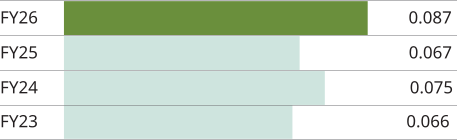
Energy consumption increased in FY 2025-26 compared to the previous year, primarily driven by higher electricity consumption at the World’s largest RE Park at Khavda. This increase is largely attributable to power usage for employees and labour accommodations, as well as facilities established for the workforce. Out of the total planned installed capacity of 30 GW, about 9.4 GW has been commissioned until March 31, 2026, with work in progress for the remaining capacity.
Decarbonising Our Value Chain
1. CII-Net Zero Program: Structured Action Towards Net Zero
Since FY 2024-25, AGEL is a part of CII-Net Zero Program, strengthening its sustainability and climate leadership. The program provides a structured approach to mitigate Scope 1, 2 and 3 emissions through GHG inventories, emission reduction roadmaps, supply chain sustainability and stakeholder collaboration, using best practices to accelerate our transition to net zero.
2. Electrifying Our Fleet
Aligned with the World Business Council for Sustainable Development initiative, we have adopted an affirmative action policy that supports the accelerated adoption of electric vehicles (EVs) across our fleet, contributing to transport decarbonisation. In FY 2025-26, we have achieved 51% EV adoption in our fleet versus the target of 65% by 2030.
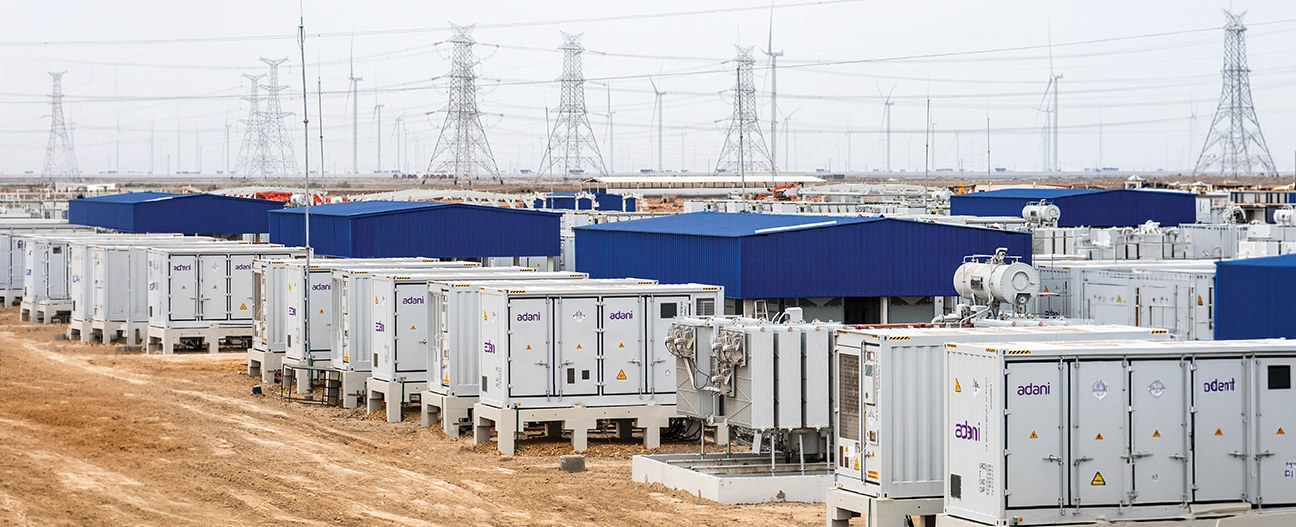
Khavda, Gujarat
Our GHG Footprint (tCO2e) in FY 2025-26
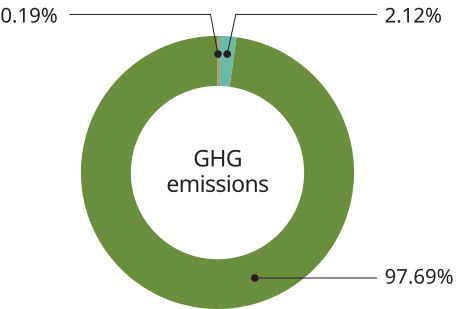
- Direct emissions (Scope 1) - 6,679 tCO2e
- Indirect emissions (Scope 2) - 75,374 tCO2e
- Indirect emissions (Scope 3) - 34,75,324 tCO2e
Total GHG emissions - 35,57,377 tCO2e
GHG Scope 2 emissions increased in FY 2025-26 compared to the previous year, primarily driven by higher electricity consumption at the World’s largest RE Park at Khavda. This increase is largely attributable to power usage for staff and labour accommodations, as well as facilities established for the workforce. Out of the total planned installed capacity of 30 GW, about 9.4 GW has been commissioned until March 31, 2026, with work in progress for the remaining capacity.
There is a decrease in GHG Scope 3 emissions, primarily in Category 2: Capital Goods attributable to phased procurement approach and consideration of supplier-specific emission factors wherever available.
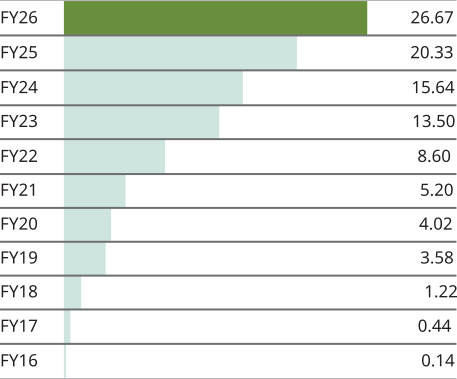
Year-on-Year CO2 Emissions Avoided
(in million tonnes)
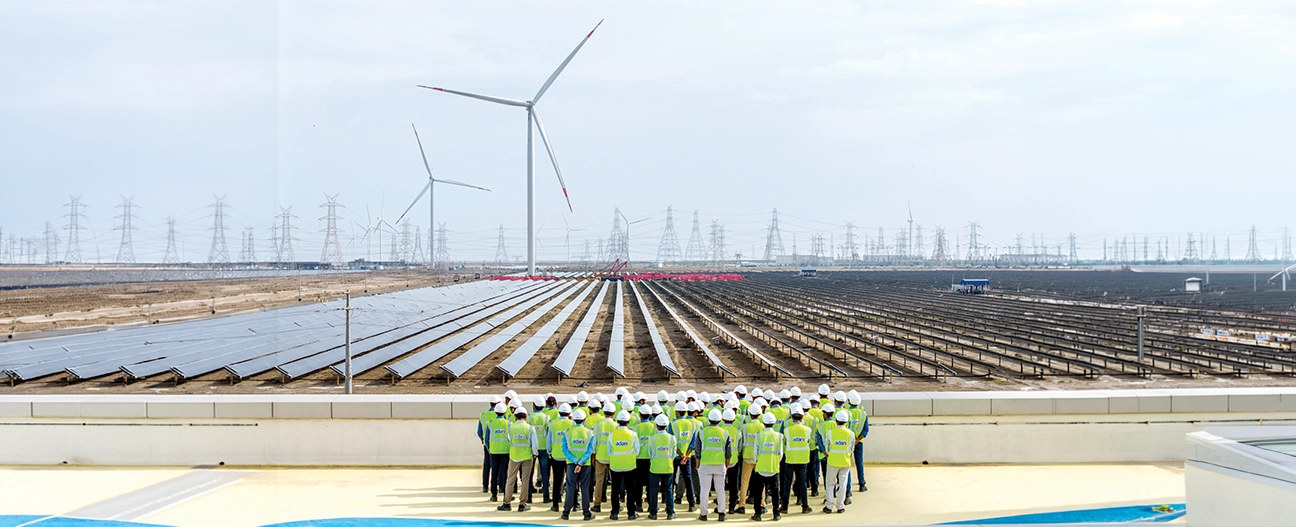
Khavda, Gujarat
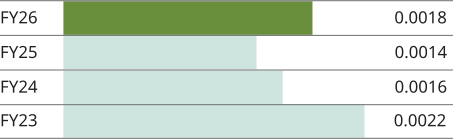
Operational Scope 1 and Scope 2 GHG emission intensity
(tCO2e/MWh)
CO2 Avoidance (in million tonnes)
of CO2 avoided (cumulative till FY 2025-26) through accelerated clean energy deployment.
Employee Awareness
We deliver periodic training programmes for our employees to help them embed sustainability into their daily workflows and contribute to long-term operational excellence.
Policy Advocacy
At AGEL, we advocate responsibly for policies that accelerate India’s clean energy transition. The Board-level Corporate Responsibility Committee (ESG Committee) and the Executive Leadership provide oversight to our policy advocacy efforts, ensuring transparency and accountable engagement. Our policy advocacy and lobbying efforts are aligned with the Paris Agreement and India’s NDCs. We actively collaborate with the Bureau of Indian Standards, industry partners, research institutions, and government ministries to help shape sustainable energy solutions for a better tomorrow.
Read about membership associations in BRSROfficial Partner to UNESCO’s World Engineering Day 2026
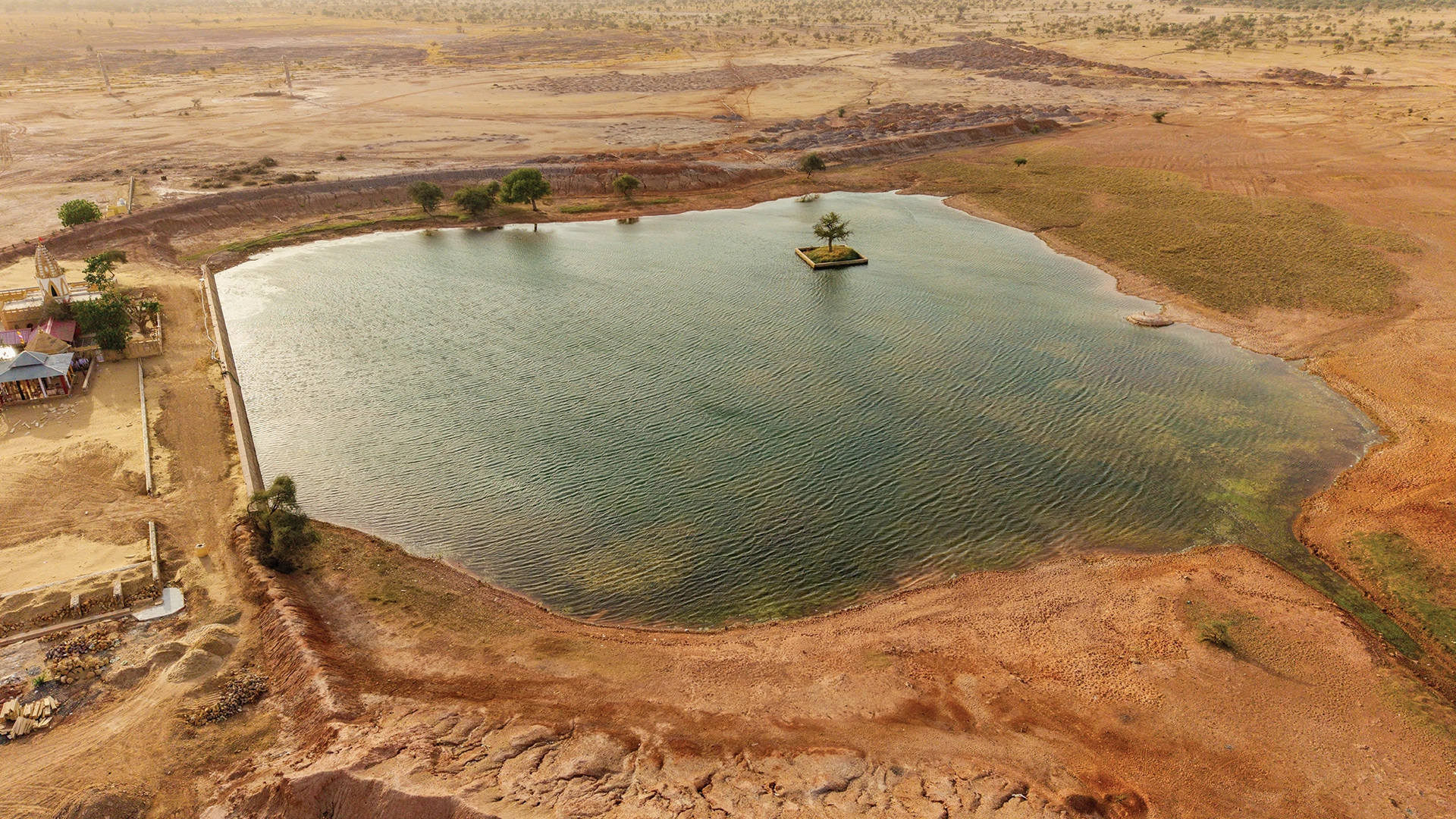
AGEL has been named an official partner for UNESCO’s World Engineering Day 2026. This partnership, delivered alongside the World Federation of Engineering Organisations (WFEO), is a testament to our leadership in accelerating clean energy transition and affordable power through world’s largest renewable energy plant at Khavda, Gujarat at a remarkable speed and scale. Khavda is a proof of what engineering at giga-scale can achieve.



Contributing to UN Sustainable Development Goal 7

Supporting India’s energy security through leadership and ability in delivering affordable, reliable and clean energy access for all.
Advancing Water Stewardship
Commitment for Responsible Water Management
- Sustain water positive operations across all locations
- Reduce freshwater consumption through focused conservation measures
At AGEL, water efficiency is integral to our environmental stewardship and operational resilience. We follow a risk-based target-driven approach to manage water responsibly. Our efforts are guided by a Water Stewardship Policy and ISO 14001:2015 certified Environmental Management System that support continuous monitoring. We conduct Environmental and Social Impact Assessments (ESIAs) for all new projects, along with TCFD-aligned climate risk assessments. We capture broad water-related risks for our suppliers and assess the impact of our operations on local communities to ascertain water-related risks such as future water availability and water quality. Through technology-led interventions, we minimise freshwater withdrawal, mitigate water-related risks, and safeguard local resources. We also train our employees on efficient water practices.
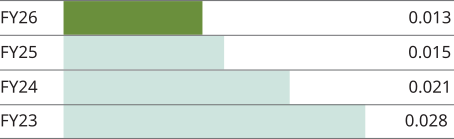
less operational freshwater consumption per unit of generation (0.013 KL/MWh) against the statutory limit for thermal power (3.5 KL/MWh)
net water positive operations since FY 2024-25
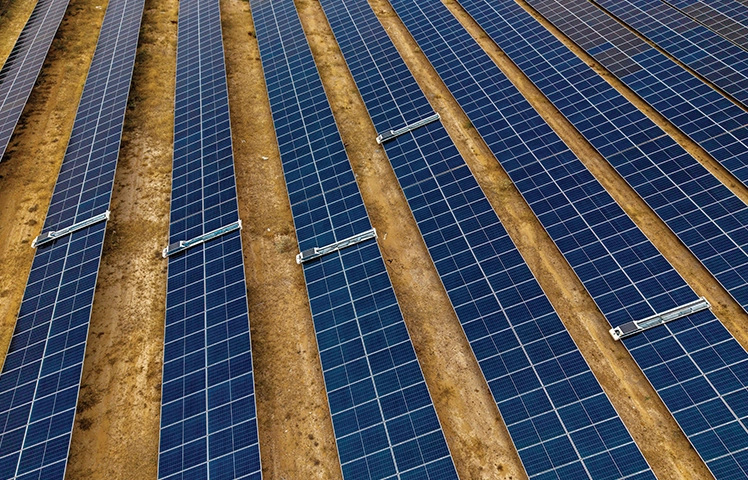
Waterless cleaning of solar PV modules
- ₹ 57.74 crore invested in robotic solar module cleaning
- 11,705.5 MW of our solar plants, accounting for 71.5% of our solar operational capacity covered by robotic cleaning
- Robotic cleaning to be scaled up across upcoming projects for long-term sustainability
Innovation beyond operations
- Atmospheric water generation systems have been deployed to extract potable water from the atmospheric moisture
Sustainable water resource management
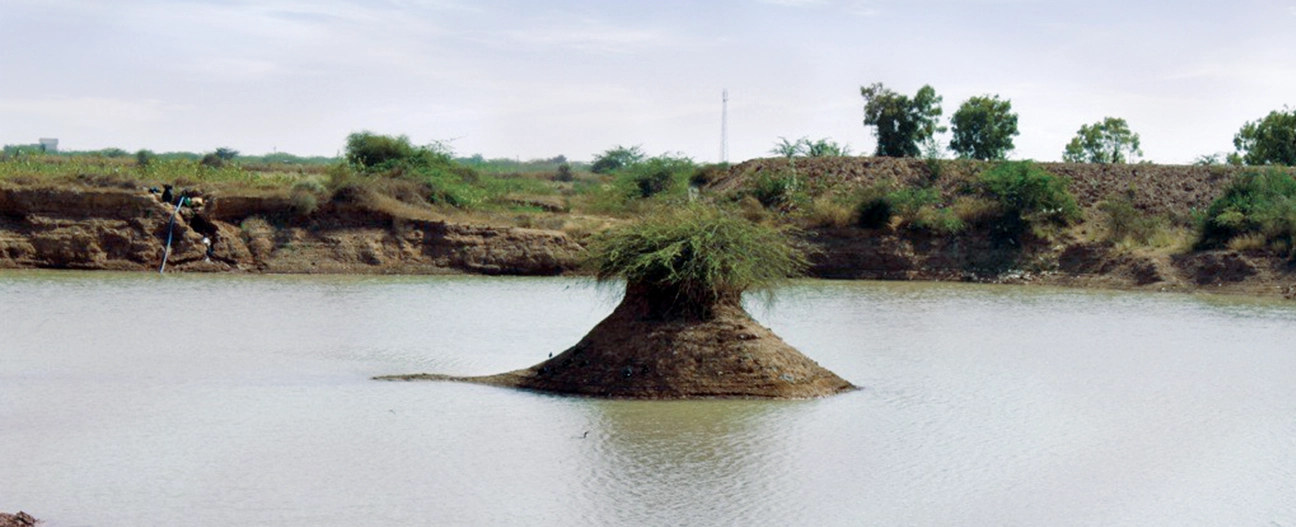
- Local pond rejuvenation and desilting projects undertaken to enhance water storage capacity and support groundwater recharge
- Reduced dependence on freshwater in cleaning operations
- Significant water savings due to elimination of water in cleaning solar modules
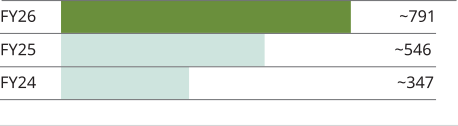
Water saved annually through robotic cleaning
(in million litres)
- 100 litres per day of potable water produced from ambient air, meeting international safety standards
- Reduced dependence on plastic water bottles
- 126 ponds desilted and restored
- 10,32,281 KL water storage capacity enhanced
- 2.14 Water Balance Index achieved
Operational Water Intensity (KL/MWh)
decrease in operational water intensity due to focused operational water conservation measures
Waste Management and Circular Economy
Commitment for Responsible Waste Management
- Achieve over 99% waste diversion from landfill, sustaining Zero-Waste-to-Landfill (ZWL) for all existing and new plants
- Sustain Single-Use-Plastic-Free (SuP) status for all operational locations, including new plants
At AGEL, we integrate circularity across operations through a robust waste management framework centred on minimisation, responsible disposal, and material circularity. Our waste management approach is guided by 5R principles, Refuse, Reduce, Reuse, Recycle, and Repurpose, which helps us in effective segregation, monitoring and audit-led compliance. On-ground implementation is strengthened through employee training. Our dedicated waste storage yards and Standard Operating Procedures enable safe handling, while strict adherence to EPR and CPCB norms ensure waste is channelled through authorised recyclers, minimising landfill disposal.
Highlights
Zero Waste to Landfill (ZWL) operations since FY 2022-23
Single-use-Plastic (SuP) Free operations since FY 2021-22
Waste Management in FY 2025-26
(in MT)
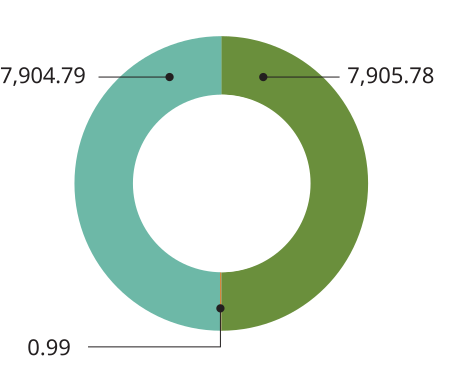
- Total waste generated
- Total waste incinerated
- Total waste recycled/reused
Total waste directed for landfill disposal - ~0
Biodiversity Management
Biodiversity Commitment
- Achieve No Net Loss (NNL) of biodiversity by 2030 in line with IBBI, TNFD and IFC Performance Standards
AGEL’s biodiversity policy embeds biodiversity considerations across the project lifecycle to proactively manage nature-related risks and preserve ecosystems. Biodiversity risks and dependencies are integrated into planning and decision-making to support responsible growth while minimising ecological impact. We also train our employees in ecosystem service management.
As a signatory to India Business and Biodiversity Initiative (IBBI and IBBI 2.0), and TNFD adopter, AGEL applies a structured mitigation hierarchy to manage biodiversity impacts across operations and the value chain. We actively avoid ecologically-sensitive areas with high biodiversity value and engage regulators, local communities and biodiversity experts to strengthen governance and conservation outcomes.
IBBI Alignment
In line with its commitment to IBBI, AGEL acknowledges the goals of the CBD’s Global Biodiversity Framework, and endeavours to operate in harmony with nature.
TNFD Alignment: Nature-Positive Leadership
Nature is integral to our growth story. In FY 2025-26, AGEL strengthened its ESG leadership by integrating the Taskforce on Nature-related Financial Disclosures (TNFD) framework into its sustainability strategy. Beginning FY 2023-24, prior to formally joining the TNFD Adopters group, AGEL initiated company-wide assessments to map nature-related dependencies, impacts, risks and opportunities across all operational sites, laying a strong foundation for action.
By aligning our strategic planning and decision-making with the TNFD framework, we are transitioning to a nature positive renewable energy model. This ensures that our renewable expansion not only delivers energy security but also actively supports the protection and restoration of natural capital, strengthening long-term resilience and creating sustainable value.
Our Approach to Biodiversity Risk Assessment
- Environmental and Social Risk Assessments (ESIAs) during the planning stage for all projects
- Critical Habitat Assessments (CHAs), where applicable
- TNFD LEAP framework for structured assessment of nature-related risks and dependencies
- Independent assessments aligned with Equator Principles and IFC Performance Standards
- Integration of identified risks into Enterprise Risk Management (ERM) framework
of our operational sites assessed for biodiversity risks
On-Ground Biodiversity Action
We have implemented Biodiversity Management Plans for all sites in potential Great India Bustard (GIB) habitats in Rajasthan and Gujarat. These plans are aligned with IFC Performance Standard 6 and supported by site-level monitoring. Biodiversity interfaces are mapped and targeted conservation measures are deployed at operational sites. Currently, no sites require restoration, rehabilitation or biodiversity offsetting.
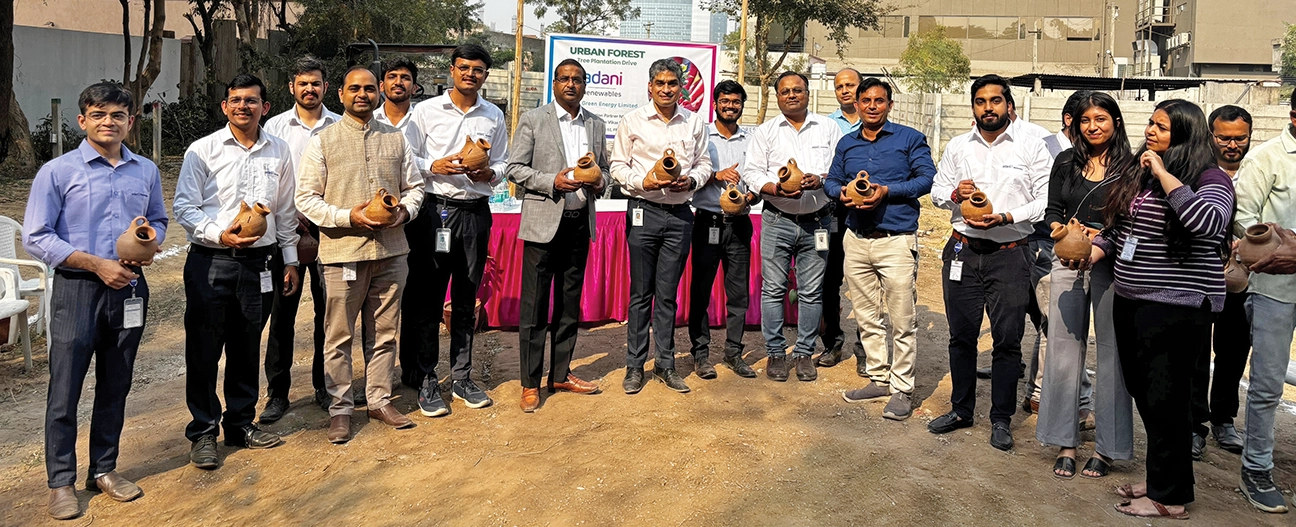
AGEL is actively contributing to the pledge made by the Chairman of the Adani to grow 100 million trees by 2030 on 1t.org – the World Economic Forum’s Trillion Trees Platform.
trees to grow by 2030
planted across 30.6 hectares
FY 2025-26
planted across 121 hectares
cumulatively till FY 2025-26