
Advancing Inclusive Progress and Impact
We engage deeply with our communities to understand their evolving aspirations and co-create solutions that deliver long-term value. In collaboration with the Adani Foundation, we are committed to empowering marginalised communities and shaping a brighter future for them. Rooted in the Adani Group’s philosophy of ‘Growth with Goodness’ and guided by the ethos of Seva - selfless service, we undertake purposeful actions that reinforce our social licence to operate and grow.

Key Linkages
Material Topics
SDGs
Key Risks and Opportunities
Capitals Impacted

Strategic Priorities

A primary feature of the Group’s CSR strategy is its focus on sustainable empowerment.
CSR Philosophy of the Adani Group of Entities
At the heart of the Adani Group’s approach to CSR lies Seva, the ethos of selfless service. Seva is the guiding emotion that shapes our social interventions and reflects our deep commitment to nation-building, sustainability, and community empowerment, aligned with the Group’s overarching philosophy of ‘Growth with Goodness’. It is about laying the foundation for a future defined by inclusion, equity, dignity and opportunities. Our CSR efforts extend beyond addressing immediate needs to creating pathways for multifaceted growth and development, ensuring that individuals and communities are equipped to drive their own futures.
A primary feature of the Group’s CSR strategy is its focus on sustainable empowerment. With this belief, the Adani Foundation designs programmes with a long-term perspective, ensuring sustainable and long-term empowerment of community.
Core Tenets Guiding Our CSR Approach
About The Adani Foundation- Seva Since 1996
We implement our CSR initiatives through the Adani Foundation, the social welfare and development arm of the Adani Group, established in 1996. For nearly three decades, the Foundation has served as a catalyst for inclusive and sustainable development, translating the Adani Group’s purpose and philosophy into meaningful, on-ground action across India. It continues to walk alongside communities – listening, learning, and partnering to create pathways for opportunity, resilience, and shared progress.
The Foundation works across geographies with a life-cycle approach and inclusive framework to enable change where it matters the most. Currently, it is operating in 7,247 villages across 22 states, positively impacting 13.3 million lives. Its interventions span critical development areas, including education, health and nutrition, sustainable livelihoods, climate action, and community development, with a strong focus on children, women, youth, and marginalised populations.
The strategies of the Foundation are aligned with national priorities and Sustainable Development Goals (SDGs), ensuring that its initiatives contribute to nation-building and holistic development.
Vision
To accomplish a passionate commitment to social obligations towards communities, fostering sustainable and integrated development, thus improving quality of life.
Mission
To play the role of a facilitator for the benefit of the people without distinction of caste or community, sector, religion, class or creed, in the fields of education, community health, and promotion of social and economic welfare and upliftment of the people in general.
Expanding Our Community Impact
CSR Target for FY 2026-27
- Health Outreach: 20 lakhs
- Education: 1,250+ Adani & Utthan schools; 2.06 lakh students; 2.00 lakh students through other education programmes
- Sustainable Livelihoods: 1.22 lakh women; 40,000 farmers; 12,000+ youths
- Climate Action: 73+ crore litres additional water storage capacity; 2.00 lakh plantation
- Community Development: 55 Adani Samrudhh Gram
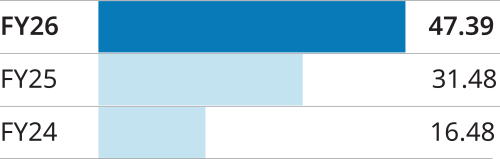
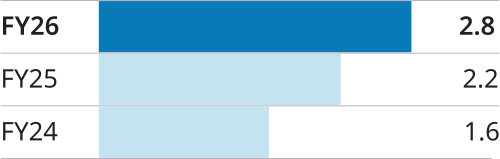
AGEL’s CSR Impact
Total CSR spend (₹ Crore)
Total lives touched (lakhs)
Strategic Approach to Promoting Self-Reliance and Lasting Empowerment
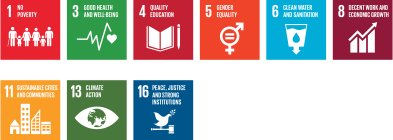
Adani Foundation’s CSR approach is closely aligned with the Sustainable Development Goals (SDGs), addressing national priorities such as poverty reduction, livelihoods. Its bottom-up, community-driven model operates through Village-level institutions, ensuring participation from local leaders, civil society, experts, and marginalised groups, and is supported by an integrated grievance redressal system.
The Foundation prioritises inclusiveness, focussing on vulnerable communities including fisherfolk, tribal groups, children and women. Flagship initiatives like SuPoshan enhance women’s nutrition, social status, and incomes through dairy livelihood cooperatives and self-help groups. Environmental sustainability is ensured through green cover restoration, water conservation projects such as pond deepening and rainwater harvesting, and localised groundwater mitigation efforts across Rajasthan and Gujarat.
Biodiversity conservation is another focus area, with initiatives designed around the protection of coastal and terrestrial ecosystems across industrial sites. The Foundation also demonstrated empathy during crises, such as floods, cyclones, and the COVID-19 pandemic, through relief efforts and volunteer engagement. Collaboration with government bodies and civil society organisations strengthens programmes such as Utthan and Swabhiman. Across all initiatives, our priority remains on generating meaningful impact and enhancing the overall well-being of communities.
Target Communities
The Company implements key CSR initiatives across 42 villages surrounding Khavda, benefiting a population of over 35,200 people through focused interventions on socio-economic empowerment. Our initiatives focus on rural populations in AGEL project areas across Jaisalmer, Barmer, Bikaner, and Phalodi (Rajasthan) and Kutch (Gujarat). The primary target groups include small and marginal farmers, livestock-dependent households, women, and youth, who face challenges such as water scarcity, limited livelihood opportunities, and restricted access to healthcare and basic infrastructure.
In Khavda, we prioritise rural households, pastoral communities, women-led families, youth, Divyangjan, and economically vulnerable groups living near project sites. In Dayapar, our focus is on agrarian and pastoral households, women, youth, artisans, small traders, and other marginalised communities in remote border regions with limited access to basic services and economic opportunities.
Strategy to Strengthen Community Relationships
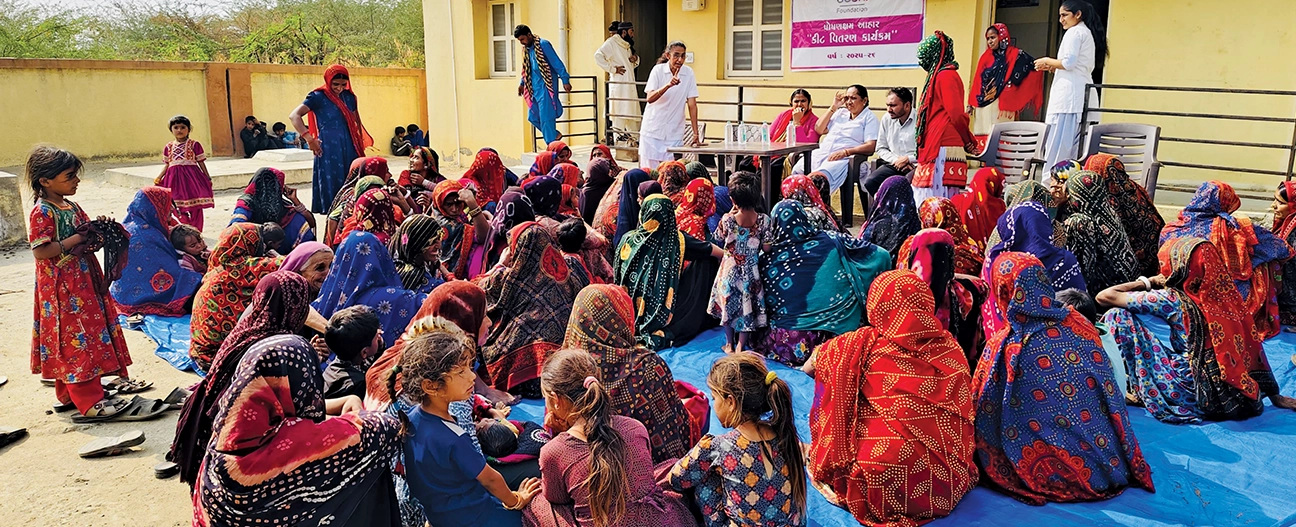
We adopt a participatory, community-centric approach in Khavda and Dayapar, building trust through regular village consultations, need-based assessments, and partnerships with Panchayati Raj Institutions and community groups. A strong on-ground presence, transparent communication, and robust grievance mechanisms strengthen inclusion and accountability. We ensure continuous engagement with communities through regular interactions, village-level meetings, employee volunteer programmes (EVP), and health and awareness initiatives.
Creating Systematic Impact
We promote inclusive community development through climate-resilient agriculture, livestock enhancement, and support for traditional livelihoods. Skill development programmes equip youth and women with industry-relevant capabilities across technical, social, and digital domains. Women empowerment is driven by strengthening SHGs and producer groups, improving financial literacy, facilitating access to credit, and enabling enterprise development. Our education initiatives focus on upgrading school infrastructure, enhancing learning outcomes, providing scholarships, and supporting career guidance to build long-term human capital and aspirations.
Community Risk Management
Key community risks in Khavda include limited access to healthcare, water scarcity, climate-sensitive livelihoods, low skill levels among youth, and environmental concerns such as dust and air quality during construction activities. In Dayapar, remoteness further intensifies socio-economic vulnerabilities. Low rainfall, sandy terrain, and high evaporation lead to acute water stress, affecting domestic use, agriculture, and livestock, and increasing dependence on external sources such as water tankers.
These risks are integrated into the Enterprise Risk Management (ERM) framework through regular social risk assessments, stakeholder feedback, and site-level risk registers. Risks are evaluated based on severity, likelihood, and community and operational impact, supported by baseline studies, consultations, and periodic reviews to ensure comprehensive oversight alongside environmental and operational risks.
Mitigation Approach, Monitoring and Review Mechanism
Community risks are mitigated through targeted interventions in healthcare, livelihoods, environment, and climate resilience. Healthcare challenges are addressed through health camps, mobile medical units, referrals, and awareness programmes.
Livelihood vulnerabilities are reduced by promoting income diversification, skill development, enterprise support, and agriculture-based interventions. Environmental risks are managed through dust suppression, green belt development, continuous monitoring, and compliance with statutory norms. Water and climate risks are mitigated through rainwater harvesting, conservation structures, and efficient water-use practices. These interventions are monitored through defined indicators, field reviews, beneficiary feedback, audits, impact assessments, and third-party evaluations, ensuring responsive management.
CSR Governance and Accountability
Our CSR policy forms the foundation of our community development efforts. This policy provides a structured framework to plan, execute, and monitor social responsibility initiatives in line with regulatory requirements. Guided by this policy, our CSR strategy focuses on addressing the real needs and priorities of local communities.
CSR policy: https://www.adanigreenenergy.com/-/media/Project/GreenEnergy/Corporate-Governance/Policy/CSR-Policy.pdf- Board-Level Oversight: The establishment of a CSR Committee ensures structured governance, strategic direction, and oversight of CSR initiatives in line with the Companies Act, 2013.
- Policy Framework: A formal CSR Policy provides a clear framework guiding the planning, execution, and monitoring of socially responsible programmes.
- Ethical Accountability: AGEL is committed to maintaining high standards of corporate behaviour, ensuring accountability towards employees, communities, and other stakeholders.
- Stakeholder Responsibility: The Company emphasises responsibility toward societal and environmental well-being, reflecting a strong commitment to stakeholder value creation.
- Sustainable Impact: Our CSR initiatives are designed to create measurable social, ethical, and environmental impact, aligning with long-term sustainability goals.
- Regular Contribution & Transparency: Continuous engagement in CSR activities demonstrates accountability through ongoing resource allocation and commitment to societal development.
Participatory Approach for CSR Implementation
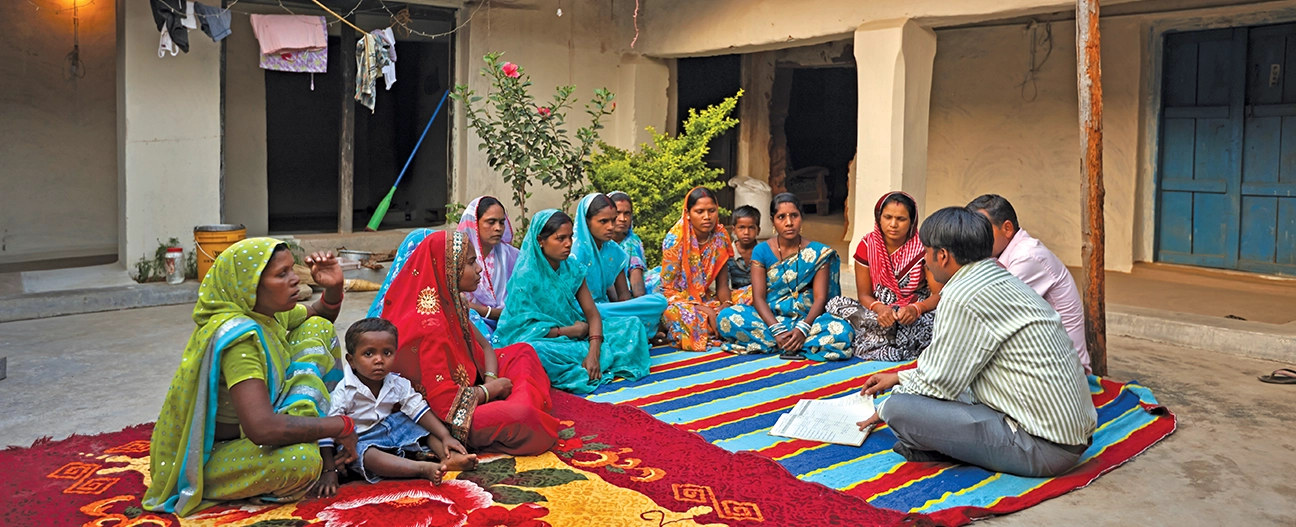
Our CSR implementation follows a participatory approach, driven by continuous engagement with communities and stakeholders across our operations. We proactively identify and engage peripheral communities to foster meaningful dialogue and participation.
Structured engagement and consultation processes enable communities to share their perspectives on operational and project-related risks, environmental and social impacts, and potential mitigation measures. These insights are systematically integrated into project planning and decision-making, ensuring alignment with evolving community needs.
Robust grievance redressal and reporting mechanisms are in place to address concerns promptly, strengthening trust and transparency throughout the process. By prioritising listening, partnership, and shared decision-making, we deliver meaningful project outcomes that support sustainable development of communities.
Identification of Target Communities
Target communities in Khavda and Dayapar were identified through a combination of socio-economic profiling, geographic assessments, and livelihood dependencies. The focus is on small and marginal farmers, pastoral communities, women-led households, youth, persons with disabilities, and economically vulnerable groups living in remote regions.
Shaping Programmes Through Stakeholder Engagement Structured
Stakeholder engagement shapes programmes across their lifecycle, ensuring initiatives remain inclusive, relevant, and grounded in local realities.
- Programme Conception: Community consultations help identify challenges such as livelihood insecurity, climate risks, service gaps, and skill deficiencies, aligning programme objectives with real needs.
- Programme Design: Continuous dialogue enables co-creation of interventions tailored to local contexts, including climate-resilient agriculture, women-centric livelihoods, youth skilling, and financial inclusion.
- Programme Implementation: Active community participation enhances ownership, transparency, and adaptability, with activities aligned to local calendars and livelihood cycles.
Community Engagement and Feedback
Community consultation is embedded at every stage through need assessments, co-design workshops, mobilisation meetings, review forums, and evaluation platforms. Feedback is systematically gathered through village meetings, group discussions, field visits, and interactions with local leaders and institutions. This continuous feedback enables refinement of strategies and resources and strengthens interventions, ensuring programmes remain dynamic, responsive, and community-driven.
Stakeholder Consultation and Engagement
| Identification of primary stakeholders |
|
| Need identification and assessment |
|
| Program planning |
|
| Implementation |
|
| Monitoring and evaluation |
|
| Impact assessment |
|
Note: The narrative will be linked to the BRSR for information on community grievance redressal.
Major CSR Interventions
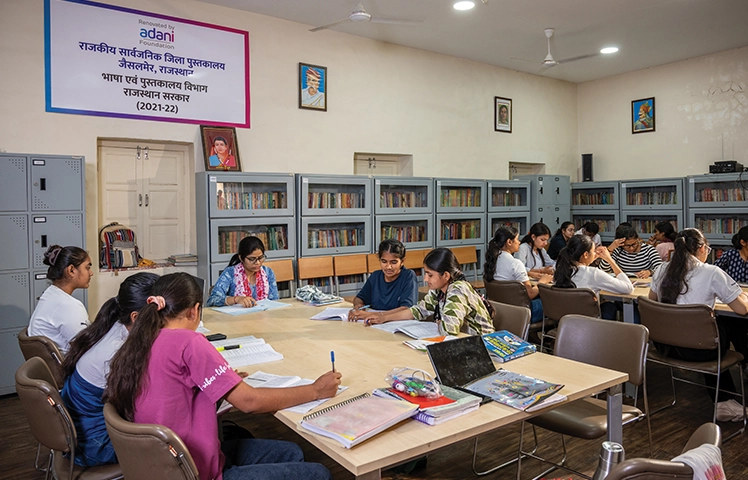
The Adani Foundation believes that education is a powerful catalyst for social and economic transformation, especially in rural and underprivileged areas. Recognising this, the Foundation champions education not only as a fundamental right but as a transformative force that fuels aspirations and opportunities. We remain committed to empowering children with knowledge, critical thinking and confidence to build better futures.
Through an extensive network of 43 schools, strategic partnerships, and pioneering programmes, the Adani Foundation aims to make quality learning accessible, aspirational, and inclusive for all. With its flagship initiatives, such as Project Utthan, which focuses on improving learning and academic outcomes, and Udaan, which encourages students to dream big and explore possibilities, the Foundation is effectively shaping the aspirations of young India, nurturing the next generation of leaders and innovators and building a more equitable future.
Utthan: Improving Education in Khavda, Gujarat
Programme Goal
To improve foundational literacy and numeracy in government primary schools while empowering learners from marginalised communities
Programme Description
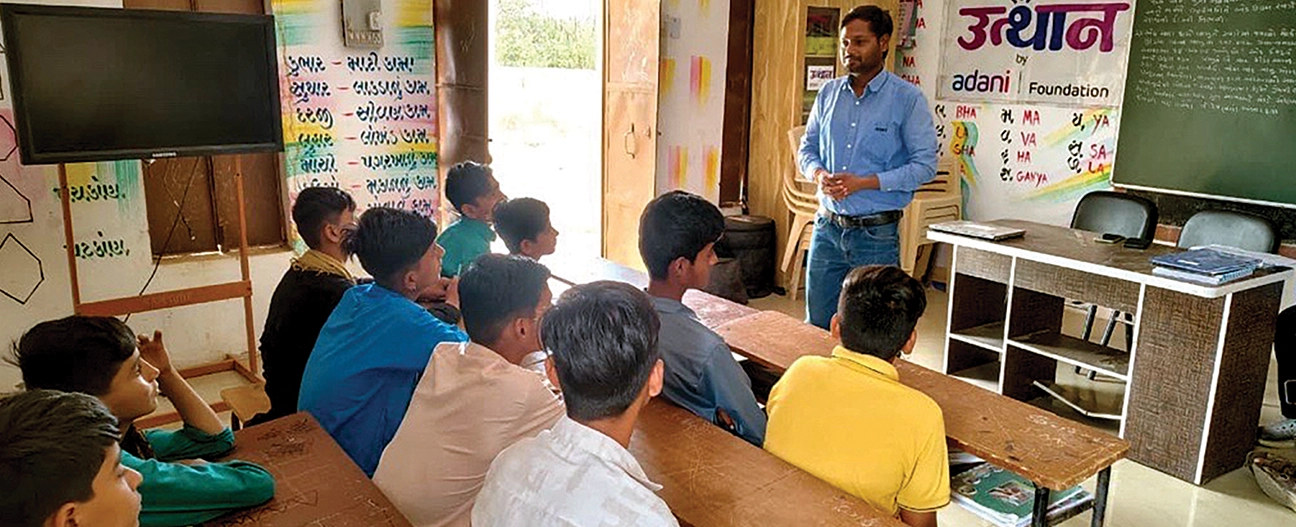
Through the Adani Foundation’s flagship educational initiative, Project Utthan, we support government high schools in Khavda, Gujarat, to enhance the quality of learning. The programme deploys Utthan Sahayaks to strengthen core subjects such as Mathematics, Science, and English, helping improve students’ understanding and performance. Additionally, community mobilisers engage with parents, encouraging prioritisation of their children’s education, particularly girls.
Key Focus Areas
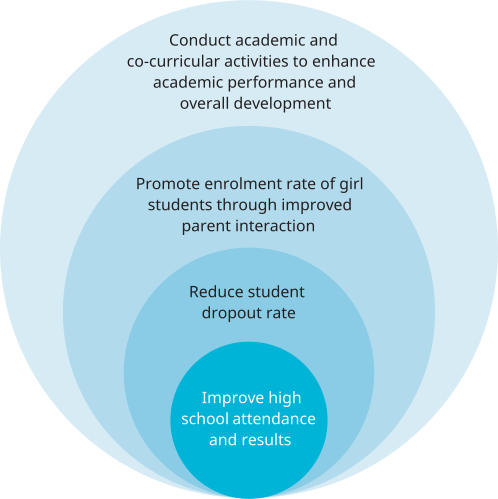
Outcomes
Schools supported through Project Utthan
Impact Created
Improvement in 10th Board Results (from 57% to 71%) in 2 years
Student beneficiaries
O&M CSR Initiatives
- Dayapar: Distributed 620 school kits and organised experiential learning activities, benefiting 560 students.
- Jaisalmer: Installed rooftop solar systems in schools facing electricity outages and connection issues, ensuring uninterrupted power supply during school hours.
- Bhatinda: Undertook renovation and painting work of a government senior secondary high school, improving the learning environment and infrastructure.
STORY OF CHANGEACTION ON GROUND
The Inspiring Journey of Raeesi Maryam Saleh
In the quiet village of Bhirandiyara, a gentle yet determined girl named Raeesi Maryam Saleh, studying in Class 9 at Alhaj Zakariya Agadi High School, pursued a dream that seemed bigger than her circumstances. Maryam was soft spoken and sincere, but the path to education before her was filled with challenges, financial struggles, and responsibilities. In her community, the belief that “girls do not need to study beyond primary school” still echoed strongly. Her parents hesitated to send her to high school. Each day, the possibility of Maryam continuing her education grew dimmer.
Yet every challenging story has a turning point, and for Maryam, that turning point was the Utthan Project of the Adani Foundation. Working across rural Gujarat, the project is committed to ensuring that every child receives quality education, with a special focus on empowering young girls. Under this initiative, Arifa Malek, (Utthan Sahayak) with compassion and unwavering dedication, reached out to Maryam’s family. She visited their home repeatedly, sometimes comforting, sometimes guiding, always inspiring.
With patience and dedication, Arifa helped Maryam’s parents see what she already knew – that education has the power to transform a girl’s entire future. Moved by Arifa’s sincerity, Maryam’s parents finally opened the door that had long remained closed. They decided to send her to school regularly.
Arifa continued to mentor Maryam, monitoring her progress, encouraging her through challenges, and celebrating every victory. Through the Utthan Project, Maryam received textbooks, notebooks, stationery, and everything she needed to focus on her studies. Consequently, Maryam began to blossom.
Her confidence grew. Her attendance improved. Her spark returned. And soon, her hard work began to shine through her academic results. Today, Maryam walks into school with a bright smile and a heart full of dreams. She aspires to study further, build a life of dignity, and become an example for many young girls like herself. Her journey stands not only as a tribute to her own determination but also as a celebration of the efforts of Udaan Project and compassionate individuals like Arifa Malek.
Across the Banni–Pachchham region, the Utthan Project continues to ignite similar hopes, ensuring that every girl, regardless of her circumstances, gets the chance to learn, grow, and dream fearlessly.
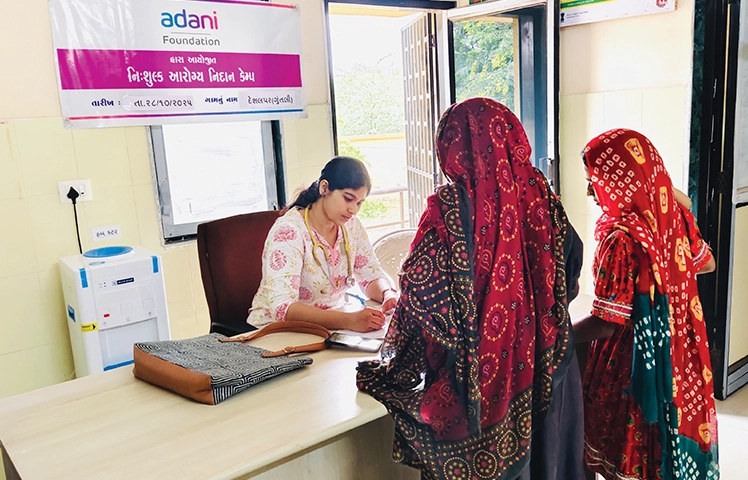
In rural and remote areas, where distance and limited infrastructure restrict access to essential healthcare, the Adani Foundation is bridging critical gaps by reaching the unreached and strengthening local health systems. Our mobile healthcare units, multi-speciality health camps, and rural clinics are vital in ensuring access to primary care to underserved and elderly people with limited mobility. By focussing on both preventive and curative approaches, the Foundation’s healthcare ecosystem is improving the well-being of India’s most vulnerable populations.
Our SuPoshan initiative is instrumental in mitigating malnutrition and anaemia among children, adolescent girls, and women of reproductive age. The project empowers village-level volunteers, SuPoshan Sanginis, who serve as catalysts for behavioural change by monitoring health, providing nutritional counselling, and facilitating life-saving medical treatment.
Adani Arogya Karyakram Khavda (CHC)
Programme Goal
To ensure access to primary and specialist healthcare services for remote communities in the Khavda region
Programme Description
We actively supported healthcare services in the Khavda region through health camps and the Adani Arogya Karyakram at the Khavda Community Health Centre (CHC). Additionally, we facilitated Ayushman Card registrations to ensure access to healthcare services for the vulnerable communities.
We deployed expert doctors at the Khavda CHC to bridge the gap in specialist care and conducted multi-specialty health camps in surrounding villages. Further, we facilitated safe transportation and medical care for pregnant women from border villages, improving maternal outcomes.
Outcomes
Sessions conducted on menstrual hygiene
Pregnant women transported and provided medical care
Impact Created
Patients benefited from specialist services at Khavda CHC
Villagers received direct care through camps at Khavda & Dayapar
Other Related Interventions
- Conducted student health check-ups at Dumra
- Conducted health check-ups for 500 students at Dayapar
- Partnered with ICDS teams to conduct awareness sessions on women’s and children’s health
- Provided 653 nutrition kits to pregnant women in Lakhpat, Nakhatrana and Khavda regions
- Provided follow-up support to Neo Motion wheelchair beneficiaries to enhance mobility
- Ensured referrals and community engagement for advanced treatment, with nine patients referred to GKGH Bhuj
- Supported tuberculosis (TB) patients by distributing nutrition kits in collaboration with the district health department
TB nutrition kits distributed in Jaisalmer, Rajasthan
Population covered through CHC/ PHC
STORY OF CHANGEACTION ON GROUND
Restoring Hope and Confidence With Accessible Healthcare
Amrutaben Vershi Koli, a 50-year-old resident of Juni Khari village, located nearly 12 kilometres from Khavda, had been suffering from severe eye pain after a small coal particle became lodged in her eye. Despite seeking treatment at both government and private hospitals in Khavda, her condition continued to worsen, causing severe discomfort and affecting her daily life.
Living alone and without family support, Amrutaben was unable to travel to Bhuj for advanced treatment. Her situation changed when she learned about the Adani Health Programme at the Khavda Community Health Centre (CHC), where specialist doctors visit regularly to provide medical care.
On July 13, 2024, Amrutaben was brought to the CHC, where she was examined by ophthalmologist Dr Sunandaben Vasa. The doctor identified the need for a minor procedure to safely remove the coal particle. With consent from Amrutaben and her companion, the procedure was successfully performed at the CHC itself, free of cost, with support from the Adani Foundation.
The treatment brought immediate relief from pain and discomfort, and necessary medicines were provided for recovery. Most importantly, the timely intervention spared Amrutaben from the financial burden and physical hardship of travelling to Bhuj for treatment.
Deeply grateful for the care she received, Amrutaben’s story reflects the transformative impact of accessible specialist healthcare in remote regions for restoring dignity, comfort, and hope.
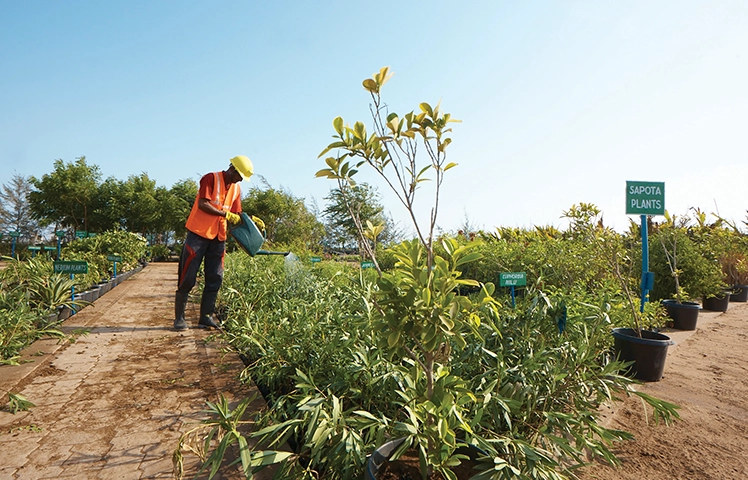
The Adani Foundation is enhancing income levels of the households by building a self-sustaining ecosystem that leverages community resources for socio-economic progress. The Foundation drives impactful change across on-farm, off-farm, and non-farm sectors, fostering resilience, inclusion, and lasting social impact, shaping resilient communities.
Our initiatives focus on boosting, diversifying, and sustaining incomes through:
- Women-led Enterprises: Recognising women as powerful agents of change, the Foundation promotes women entrepreneurship by fostering leadership, enhancing knowledge, and ensuring access to critical networks and markets.
- Sathwaro: Dedicated to empowering India’s artisan communities, this initiative transforms traditional and cultural heritage into viable, income-generating opportunities.
- Agricultural Development: Programmes in natural farming, animal husbandry, and dairy development help farmers leverage technology to boost yields and resilience.
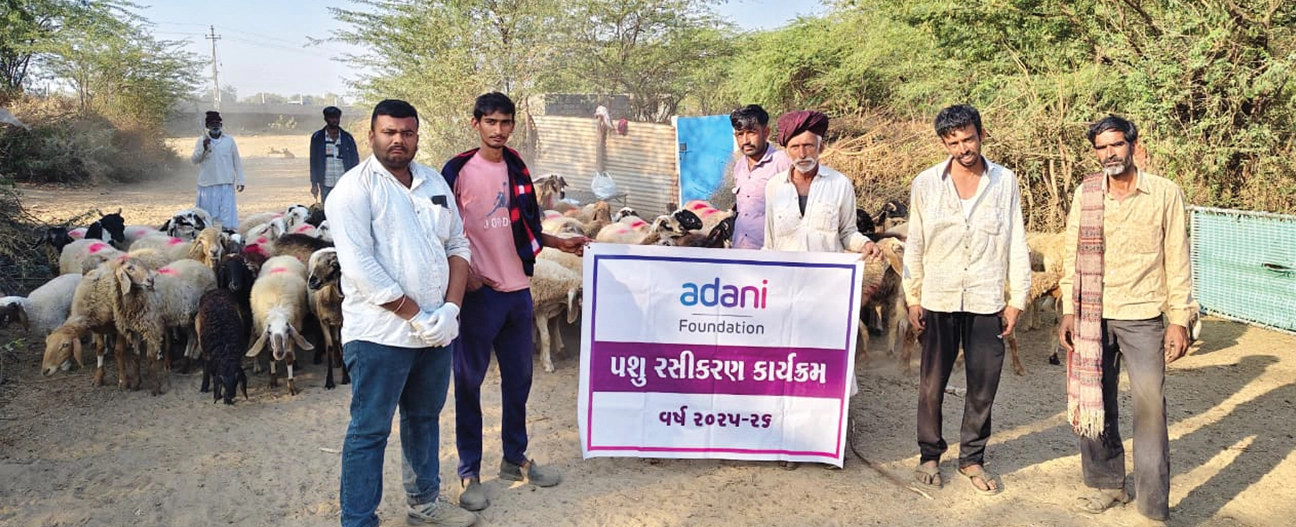
Project Kamdhenu for Livestock Development in Gujarat and Rajasthan
Programme Goal
To improve livestock health and productivity through sustainable care.
Programme Description
Project Kamdhenu, a flagship initiative of the Adani Foundation under AGEL CSR focuses on improving livestock productivity, enhancing cattle breed & productivity and strengthening farmers’ knowledge in the Jaisalmer, Khavda and Dayapar regions of Rajasthan and Gujarat. The programme aims to elevate the economic conditions of livestock owners through capacity building, livestock and cattle breed improvement through artificial insemination, and better access to cattle healthcare and nutrition services.
Outcomes
Livestock development centres established in Jaisalmer across 73 villages
Impact Created
Cattle owners benefited with trainings
Cattle owners, 26,775 cattle benefited through vaccination, mineral mixture, milk cans
Cattle and 1,150 cattle owners through camps in 45 villages
Cattles benefited from vaccination camps in Khavda & Dayapar
Camels benefited from vaccination camps in Khavda & Dayapar
Promoting Financial Inclusion of Khavda Women
Programme Goal
To strengthen financial inclusion among women.
Programme Description
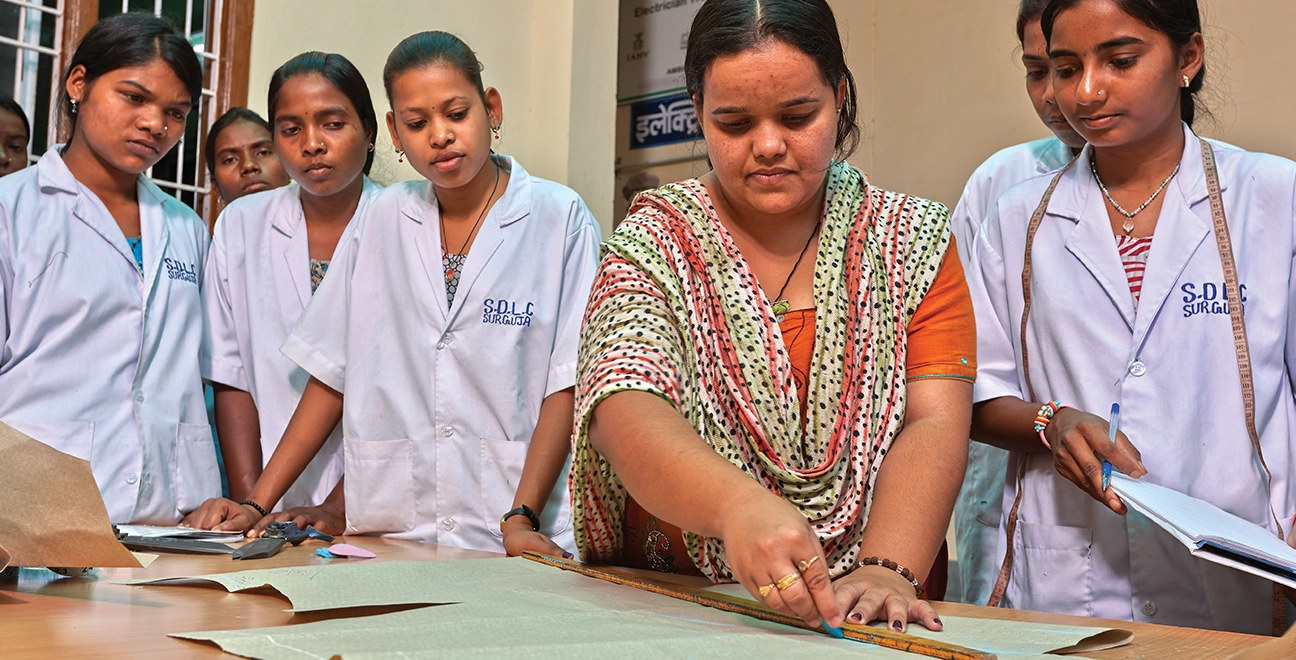
We formed nine Self-Help Groups (SHGs), enrolling 95 women into the Khavda Mahila Vikas Sangathan, encouraging savings and access to financial services. Regular awareness sessions and meetings were conducted for SHG members to enhance entrepreneurial skills and livelihood awareness. The programme reached several women through empowerment activities, strengthening leadership, financial literacy, and community bonds.
Outcomes
Women SHGs formed
Women enrolled and 293 connected on the Khavda Mahila Vikas Sangathan
Impact Created
Women benefited
STORY OF CHANGEACTION ON GROUND
Promoting Sustainable Farming in Kamuthi Village
Agriculture remains the primary source of livelihood in the villages surrounding the Kamuthi site, with around 95% of households depending on agriculture and other land-based activities. However, limited access to modern agronomic practices constrained productivity and farm incomes.
AGEL educated/trained farmers in adopting Integrated Nutrient Management (INM) and Integrated Pest and Disease Management Practices (IPDM), approaches that are cost-effective, environmentally sustainable, and designed to improve soil health and crop resilience. Farmers were also provided with quality seeds, enabling them to achieve better yields. This initiative has resulted in improved soil fertility and socio-economic conditions for farming communities in the Kamuthi region.
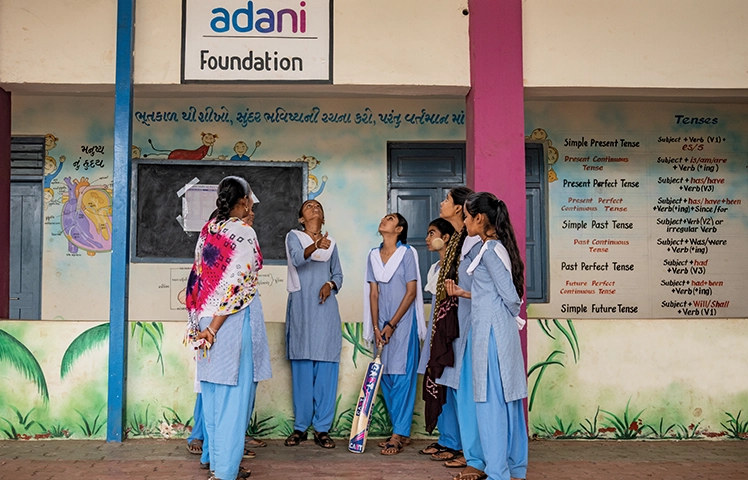
AGEL is dedicated to fostering thriving, self-reliant communities rooted in inclusion, dignity, and meaningful partnership. Through a comprehensive strategy and interventions, AGEL aims to uplift the quality of life, enhance potential, and bolster the growth of the communities.
Key pillars of community development include:
- Infrastructure Development: Construction of essential infrastructure, such as roads, water conservation systems, drinking water access points, and installation of streetlights to improve quality of life.
- Disaster Support & Crisis Aid: Offer immediate aid and support to communities during times of crisis, natural calamities and major accidents.
- Empowerment & Inclusion: Facilitate access to government schemes, championing sports to cultivate unity and discipline, and provide greater opportunities for the specially-abled to ensure no one is left behind.
- Community Engagement: Focus on boosting opportunities and engagement to foster resilience and lasting prosperity, transforming communities into vibrant, self-sufficient ecosystems.
ADANI MANGAL SEVA: A PATHWAY TO DIGNITY, SECURITY AND INDEPENDENCE
The Mangal Seva initiative by Adani Foundation is a targeted social welfare program designed to promote dignity, financial independence, and long-term security for newly married women with disabilities. Under this model, each selected beneficiary is supported through the creation of a fixed deposit of ₹ 10 lakh for a period of 10 years. While the principal amount remains with them and is released at maturity, while a steady monthly interest payout (approximately ₹ 5,416) provides regular income, enabling beneficiaries to meet household needs, investment towards livelihoods, access to healthcare, or pursuance of higher education.
The program adopts a structured, transparent selection and verification process involving field outreach, document validation, and home visits, ensuring that support reaches deserving candidates. Beyond financial assistance, Mangal Seva aims to strengthen social security and inclusion by enhancing the economic agency of women with disabilities and reducing their vulnerability post marriage. By combining financial planning with social empowerment, the initiative creates a sustainable pathway for improving quality of life and fostering long-term resilience among beneficiaries.
So far, the project has enrolled 500 beneficiaries and envisages to reach to 2,000 candidates over the next four years. It is a collaborative program with multiple group companies participating in it.
NATIONAL BUILDING THROUGH HEALTHCARE
Datta Meghe Institute of Higher Education & Research (DMIHER), Sawangi (M), Wardha, is an eminent deemed university recognised for its integrated approach to sustainable healthcare and health professions education. With a strong foundation in community-oriented and evidence-based learning, the institute has developed a comprehensive academic ecosystem comprising 15 constituent units across disciplines such as medicine, dentistry, nursing, physiotherapy, pharmacy, and allied health sciences. It offers over 260 academic programs with a student strength exceeding 12,000, supported by competency-based, outcome-driven education and technology-enabled learning systems that prepare future-ready healthcare professionals.
The institution has recently strengthened its role as a leading healthcare provider through its expansive AROGYA-SETU healthcare network, which includes 10 hospitals, 2,700 beds, more than 200 ICU beds, and 25 operation theatres. Backed by over 350 consultants and multiple specialty and super-specialty units, the institution delivers a wide continuum of care – ranging from primary and preventive services to advanced tertiary care, including transplants, cancer treatment, robotics, and traditional systems like Ayurveda and Homeopathy. Its services are particularly focused on underserved populations in Central India, including rural and tribal communities, thereby aligning clinical excellence with social responsibility.
A significant recent emphasis at DMIHER has been on community outreach and inclusive healthcare delivery, reflected in its adoption of 86 villages and outreach to over 26,000 households through satellite centres, health schemes, and extensive screening programs. Nearly 1.97 million patients have been screened, with large-scale referral and treatment linkages established. The institute’s holistic model integrates education, service, and research with initiatives such as comprehensive healthcare programmes, digital learning platforms, and interprofessional training. Through its mission of fostering resilient, technology-driven and socially responsive healthcare systems, DMIHER continues to evolve as a nationally significant institution working towards equitable and sustainable health development.
As part of a collaborative project involving multiple companies of Adani group, the Adani Foundation has partnered with DMIHER to establish a global Centre of Excellence in healthcare education and delivery. This collaboration, announced in June 2025, aims at upgrading DMIHER’s 15 institutes and 5 hospitals to enhance medical education and clinical research.
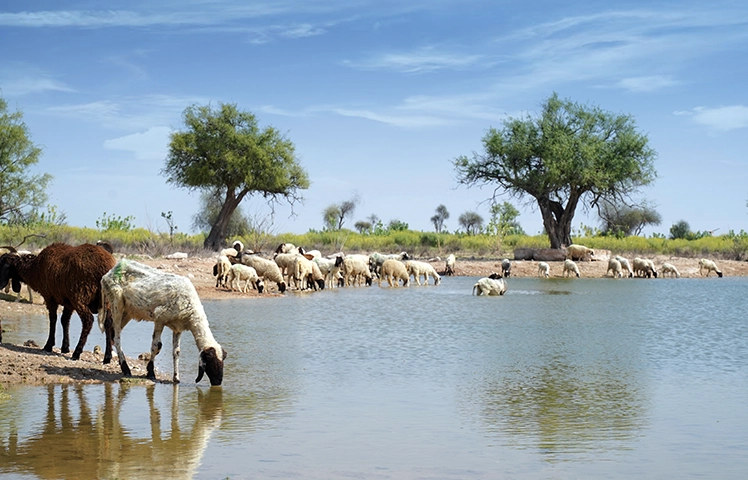
Amid growing climate uncertainty and resource scarcity, the Adani Foundation is advancing a community-led, forward-thinking approach to climate resilience. By integrating water stewardship, biodiversity preservation, and renewable energy adoption, the Foundation addresses the most pressing ecological challenges while laying the foundations for sustainable communities. Our efforts extend beyond environmental protection to deliver future-ready solutions for enduring social and economic well-being for the coming generations.
Our climate initiatives focus on:
Green Transformation
Developing and revitalising wastelands through structured plantation drives and increasing the use of renewable energy to enable a cleaner and greener society.
Water Stewardship
Promoting large-scale conservation of water to ensure its availability for domestic and agricultural purposes throughout the year.
Water Conservation Project
Programme Goal
To strengthen water conservation and community resilience.
Programme Description
The Jaisalmer and Barmer districts of Rajasthan, along with Khavda and Dayapar in the Kutch District of Gujarat, experience acute water shortage due to severe climatic conditions. We have implemented several water conservation activities through the Adani Foundation, aimed at enhancing water storage capacity, recharging groundwater, and strengthening community resilience against water scarcity.
Key interventions included pond rejuvenation through deepening and cleaning, expansion of water catchment areas, maintenance of check dams, construction of filtration wells, installation of RO plants in schools, and building overhead potable water tanks. Consultative meetings were also held with local communities to finalise pond locations and encourage participatory planning to enhance groundwater levels and ensure a reliable water supply for farming and livestock needs.
Outcomes
Ponds rejuvenated in Rajasthan and Gujarat
Drinking water wells installed in remote of Khavda
Impact Created
Water storage capacity created in Rajasthan
Water storage capacity created in Dayapar
Tree Plantation
Adani Van: Mass Plantation Initiative
Programme Goal
To enhance biodiversity conservation and climate resilience through large-scale afforestation and the restoration of natural habitats for local bird species, particularly the peacock.
Programme Description
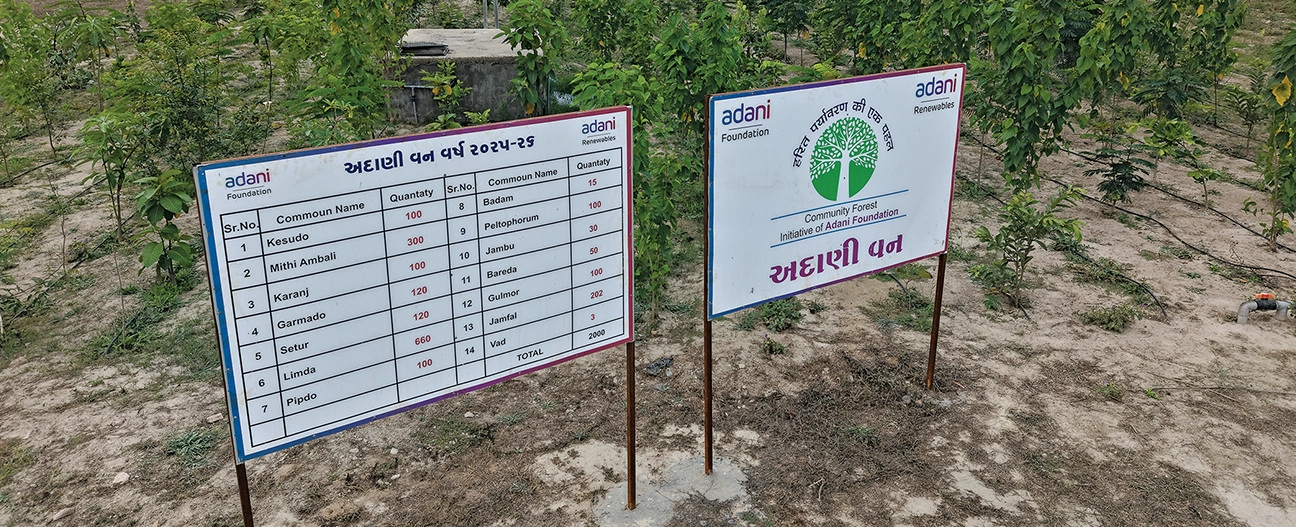
The Adani Van project, launched by the Adani Foundation, is a comprehensive environmental sustainability initiative focused on increasing green cover and promoting ecological balance. In Ugedi, Kutch, the project has transformed Panchayat land through the plantation of 10,000 trees specifically designed to support a peacock and bird conservation initiative. The programme aims to preserve the natural habitat of India’s national bird by providing essential shelter, roosting space, and food sources. To ensure long-term environmental impact, a diverse mix of medicinal, fruit-bearing, and high carbon-sequestration saplings have been planted. Beyond its environmental value, the garden serves as a welfare and recreation space for personnel, families, visiting dignitaries, and the general public, reflecting a commitment to environmental stewardship and nation-building.
Botanical & Cacti Garden, Jaisalmer
Programme Goal
To promote biodiversity conservation by developing sustainable green spaces
Programme Description
Under this project, a botanical and cacti garden will be developed at the Indian Army Military Station, Jaisalmer, designed as a sustainable, water-wise landscape showcasing cacti, succulents and other desert-resilient species suited to the local ecology.
Beyond its environmental value, the garden will serve as a welfare and recreation space for personnel, families, visiting dignitaries, and the general public, reflecting our commitment to environmental stewardship and nation-building.
Urban Forest Project, Ahmedabad
Programme Goal
To strengthen urban green cover and biodiversity conservation.
Programme Description
In partnership with Gujarat Rajya Gram Vikas Samiti (GRGVS-NGO) and with support from the Ahmedabad Urban Development Authority (AUDA), AGEL facilitated the development of an Urban Forest Project in Ahmedabad.
The initiative focuses on the plantation and long-term maintenance of nearly 15,000 plants across an area of 12,000 square metres, contributing to improved urban biodiversity and carbon sequestration.
Combine Outcome
Total trees planted
STORY OF CHANGEACTION ON GROUND
Water Security for Pusad Village: A Story of Hope and Impact
In Pusad village, Sheo block, Jaisalmer, water scarcity was a daily struggle for residents. Families were forced to purchase water at ₹ 1,000 – ₹ 1,200 per tanker, placing a heavy financial burden on many. Livestock also suffered, often travelling long distances in search of water.
The situation changed with the excavation of Kirtyani Pond, undertaken by the Adani Foundation, aimed at creating a sustainable water source for the village. The intervention enabled residents to draw water directly from the pond and reduce tanker costs by ₹ 700 – ₹ 800 per trip. The stored water now lasts two to three months longer, ensuring better access for both households and cattle.
This initiative demonstrates the impact of targeted community interventions on the livelihoods of people, bringing relief and sustainability to rural, water-stressed communities.
Employee CSR Volunteering
The Employee Volunteering Programme (EVP) has been initiated under the guiding philosophy of our Chairman, “Seva hi Sadhana hai” (Service is Worship), which emphasises selfless service as a fundamental value for individual growth and societal development.
The programme provides a structured platform for employees to actively contribute their time, skills, and expertise towards community development, thereby strengthening the organisation’s commitment to Corporate Social Responsibility (CSR). It fosters a culture of empathy, responsibility, and unity among employees while delivering sustainable impact in the communities.
EVPs conducted by 335 Employees contributing 948 man hours